













Global Warming Could Overwhelm Storm Drains

Scientists at a modest university in a small town in New Hampshire offered today a big tip to city planners around the world: Prepare your culverts for global warming.
Nearly a foot of rain this weekend in Keene, NH, overwhelming the storm drains.
Latham Stack Michael Simpson at Antioch New England Graduate School were not surprised. They had just finished studying culverts in Keene and looking at climate models that forecast more frequent downpours like this in the future.
Current design specifications for culvert sizes are "inadequate to handle the rainfall intensities predicted under climate change," the researchers say.
The 11.5 inches of rain during a 24-hour period this past weekend was nearly three times more than what the culverts were designed to handle. The result: neighborhood flooding and road erosion. The city declared a state of emergency Sunday.
While upgrading culverts will be expensive, the price tag would be "comparatively small in relation to costs incurred by the private and public sectors in the wake of the current storm," the scientists argue.
"Our research focused only on a small section of Keene, NH, but the model we developed to project climate change induced culvert failures could be applied to any region of the world," Simpson said.
Get the world’s most fascinating discoveries delivered straight to your inbox.
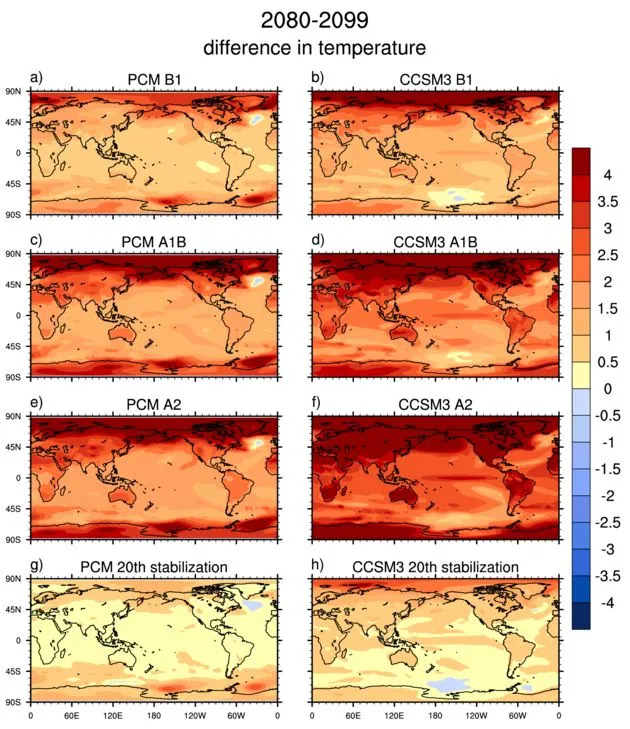
While theorists aren't sure how much the climate will warm, most agree there is an inevitable degree or more of change ahead by the end of the century. Already global warming is reducing the amount of permafrost around the globe, causing glaciers to recede at unprecedented rates, and possibly fueling more intense hurricanes.
Seas will rise, scientists say, threatening coastal areas.
Rainfall patterns are also likely to shift, with some areas experiencing more drought and others getting heavier downpours. And while scientists can't predict exactly where the changes will occur and to what extent, the new study points out that the time to prepare may be now.
"We may have a window of opportunity to prepare civil infrastructures," Stack said. "While expensive, these preparations can be affordable if undertaken far enough in advance."
- Natural Disasters: Top 10 U.S. Threats
- Subway Flooding: A Hidden and Neglected Risk
- How Global Warming is Changing the Wild Kingdom
- End of the World? Not Likely, Scientists Say
- The Great 1993 Mississippi Flood
- Global Disaster Hotspots
