













Aussie Birds Shrinking, Heading Poleward
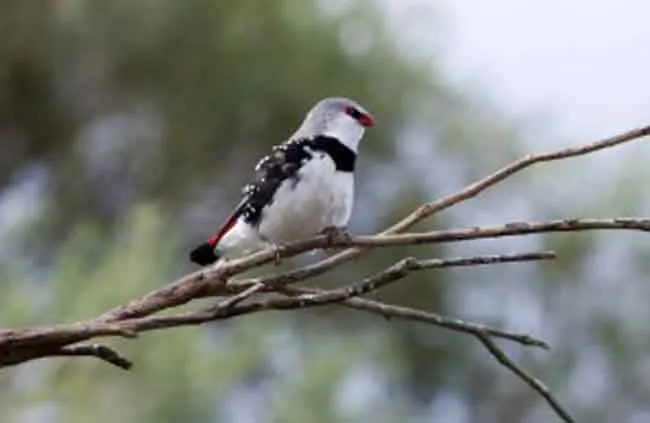
Australia’s average surface temperature has risen more than 1 Fahrenheit degree since 1900. During roughly the same period, the body size of Australian passerine (perching) birds has declined by as much as 3.6 percent. Zoologist Janet L. Gardner of the Australian National University in Canberra and colleagues, who detected the shrinking trend in birds, suspect the two changes are no coincidence.
Gardner’s team measured 517 specimens of eight insectivorous passerine species collected in southeastern Australia over the past 100 years. Half the species showed significant reductions in size; the other half showed smaller declines or no change.
Within a given animal species, individuals living at high latitudes, toward a pole, are usually larger than those living nearer the equator, probably because greater body mass helps ward off the cold. In keeping with that principle, the researchers calculated that southern populations of four Aussie bird species now have body sizes typical of populations that lived 7 degrees of latitude (about 483 miles) closer to the equator before 1950.
In a nutshell, smaller birds now live somewhat closer to the South Pole.
Analyzing subtle banding on the birds’ feathers, Gardner’s team found no change over time in their growth rate, so nutritional deficiencies resulting from environmental degradation are unlikely to have caused the birds’ shrinking. Rising temperatures due to climate change best explain the trend, they say.
The research was detailed in the journal Proceedings of the Royal Society B.
This article was provided to LiveScience by Natural History Magazine.
Get the world’s most fascinating discoveries delivered straight to your inbox.