













Earlier Spring Starves Migratory Birds

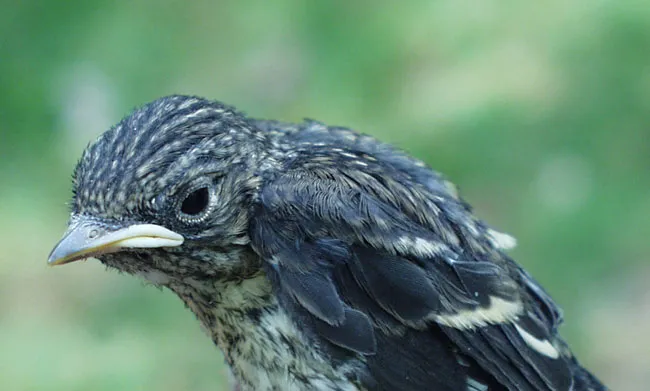
Trees are blossoming, plants are flowering, and temperatures are warming up. Spring is finally is here and everyone seems happier. Well, except for the pied flycatcher, a small bird that can't schedule its breeding time to cope with the earlier spring season caused by climate change.
The pied flycatcher winters in West Africa then migrates to The Netherlands for spring breeding. Offspring feed on caterpillars.
Because spring is arriving sooner than in the past, the caterpillar population peaks earlier than the flycatcher's arrival, resulting in scarcity of food for the chicks, a new study reports.
This altered timing and resulting food shortage has led to a population decline of 90 percent over the past two decades in areas where the food peaks earlier. However, numbers dropped only about 10 percent in areas where food peaks the latest.
"The flycatchers have advanced their laying date but not the timing of their spring arrival in The Netherlands," the study authors write. "The advancement in laying date was not sufficient to track the advancement of spring."
These long-distance flyers have a fixed spring migration schedule and cannot predict at their wintering grounds when spring begins at their breeding ground some 2,796 miles (4,500 kilometers) away.
Other migratory birds could suffer similar population declines if they are unable to adapt their journey to warmer temperatures, the researchers said.
Get the world’s most fascinating discoveries delivered straight to your inbox.
The study is detailed in the May 4 issue of the journal Nature.
- VIDEO: Extraordinary Birds
- Secret of Bird Flight Revealed
- Global Warming Weakens Trade Winds
- How Global Warming is Changing the Wild Kingdom
- Birds of Prey: Vote for Your Favorite
