















iPods Help Doctors Recognize Heart Problems

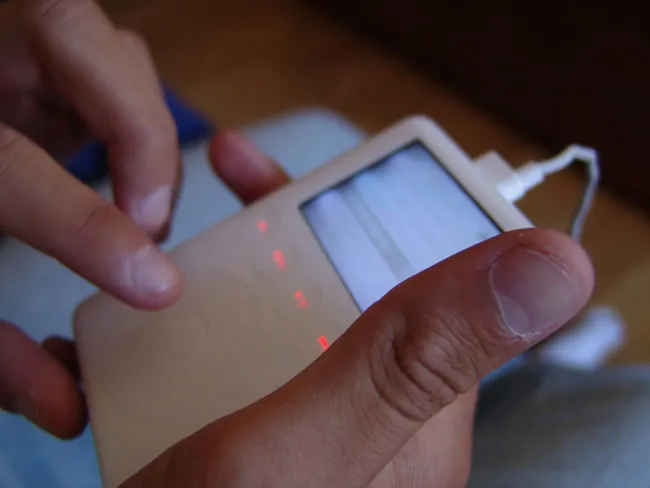
Doctors can greatly improve their stethoscope skills and therefore their ability to diagnose heart problems by listening repeatedly to heartbeats on their iPods.
Previous research has shown that the average rate of correct heart sound identification by physicians is 40 percent.
In a new study, 149 general internists listened 400 times to five common heart murmurs during a 90-minute session with iPods. After the session, the average score improved to 80 percent.
Proficiency with a stethoscope—and the ability to recognize abnormal heart sounds—is a critical skill for identifying dangerous heart conditions and minimizing dependence on expensive medical tests, said lead researcher Dr. Michael Barrett, clinical associate professor of medicine and cardiologist at Temple University School of Medicine and Hospital. "It's important to know when to order a costly echocardiogram or stress test," Barrett said.
Barrett believes the skill of learning heart problems is best learned through intensive drilling and repetition, not by traditional methods, usually a classroom lecture or demonstration in medical school and then on the job.
"You don't build this proficiency by osmosis," Barrett said.
He presented the findings today at the American College of Cardiology's annual meeting.
Get the world’s most fascinating discoveries delivered straight to your inbox.
