













Mushrooms Turned into Green Packaging

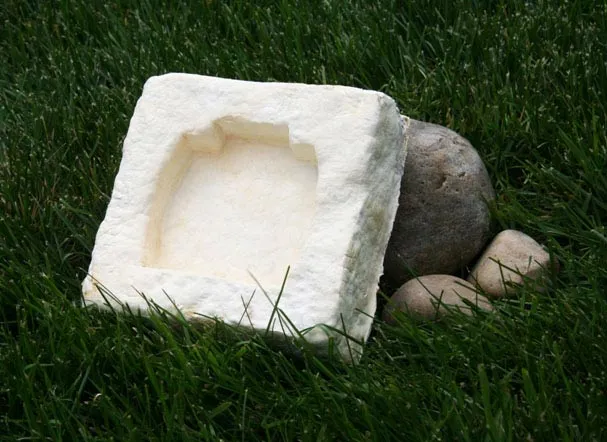
In addition to tomatoes and peppers, your next garden could grow packaging materials.
A new product made out of agricultural waste and mushroom roots is now showing up in shipped products across the country. The composite material, called Mycobond™, requires just one-eighth the energy to produce and generates one-tenth the carbon dioxide of traditional foam packing material.
Now Rensselaer Polytechnic Institute undergraduates Gavin McIntyre and Eben Bayer are developing a new, less energy-intensive method to sterilize the agricultural waste, killing spores that could otherwise compete with the mushrooms.
Instead of steam heat, the new sterilization method will involve cinnamon-bark oil, thyme oil, oregano oil and lemongrass oil.
"The biological disinfection process simply emulates nature in that it uses compounds that plants have evolved over centuries to inhibit microbial growth," McIntyre said. "The unintended result is that our production floor smells like a pizza shop."
Here's how the green product grows: The mycelia (vegetative part of a fungus, like a mushroom) grow around and digest agricultural starter material, such as cotton seed or wood fiber in a dark environment at room temperature. The materials are shaped by a customized, molded plastic structure in which they grow.
Once fully formed, each piece goes through the sterilization process. With the new cinnamon-bark treatment, Bayer and McIntyre hope the entire process can be packaged as a kit, allowing shipping facilities, and even homeowners, to grow their own green packaging materials.
Get the world’s most fascinating discoveries delivered straight to your inbox.
McIntyre and Bayer founded Ecovative Design of Green Island, N.Y., to bring their idea into production. Ecovative has received funding from the National Science Foundation (NSF), USDA Agricultural Research Service, the Environmental Protection Agency, and the New York State Energy Research and Development Authority.
- 10 Ways to Green Your Spending
- Top 10 Craziest Environmental Ideas
- Top 10 Emerging Environmental Technologies
