













One Female Mouse to Another: May I Cut In?
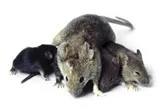
When it comes to choosing a mate, female mice are copycats. They prefer a male that's already spoken for over a single guy.
A new study indicates that males doused in another female's scent just smell better.
"Our data suggest that female mice may use, or even copy, the interests of other females based on olfactory cues," said Donald Pfaff of Rockefeller University. "It could also be seen as a female trusting the mate choice of another female."
Examples of a female's mate choice being swayed by another female are well documented in birds and fish, but this is the first time the copycat effect has been observed in mammals, the researchers said.
The study exposed female mice to odors of either a male mouse alone or a male with a female, and the single females consistently preferred the scent of the male with the girl.
In fact, the cue was so strong that the females were attracted to mated males infected with parasites. Infected single males, however, were of no interest.
The female's decision hinged on the presence of the gene for oxytocin, a hormone neurotransmitter associated with bonding, trust, and sexual attraction in humans. However, if the female lacked the gene, she no longer preferentially chose mated males, and no longer avoided infected single males.
Get the world’s most fascinating discoveries delivered straight to your inbox.
The role of odor in mate choice is well documented throughout the animal kingdom, including mealy bugs, cockroaches, elephants, and humans. Male odors provide females with information on their quality, health, and suitability as a potential mate.
"These hormone-driven systems have been conserved in the human brain, and are representative of phylogenetically ancient systems," Pfaff told LiveScience. "However, the effects on behavior can be overwhelmed by the powerful forces of our large cerebral cortexes."
The study was detailed in the March 14 issue of the Proceedings of the National Academy of Sciences.
- Older Elephants Smell Sexier
- Kinky Female Bats Share Mates With Their Mothers, Avoid Incest
- Gay Men Respond Differently to Pheromones
- The Rules of Attraction in the Game of Love
- The Sexy, Healthy Scent of a Man