
















Your Grilled Burger May Come with a Side of High Blood Pressure

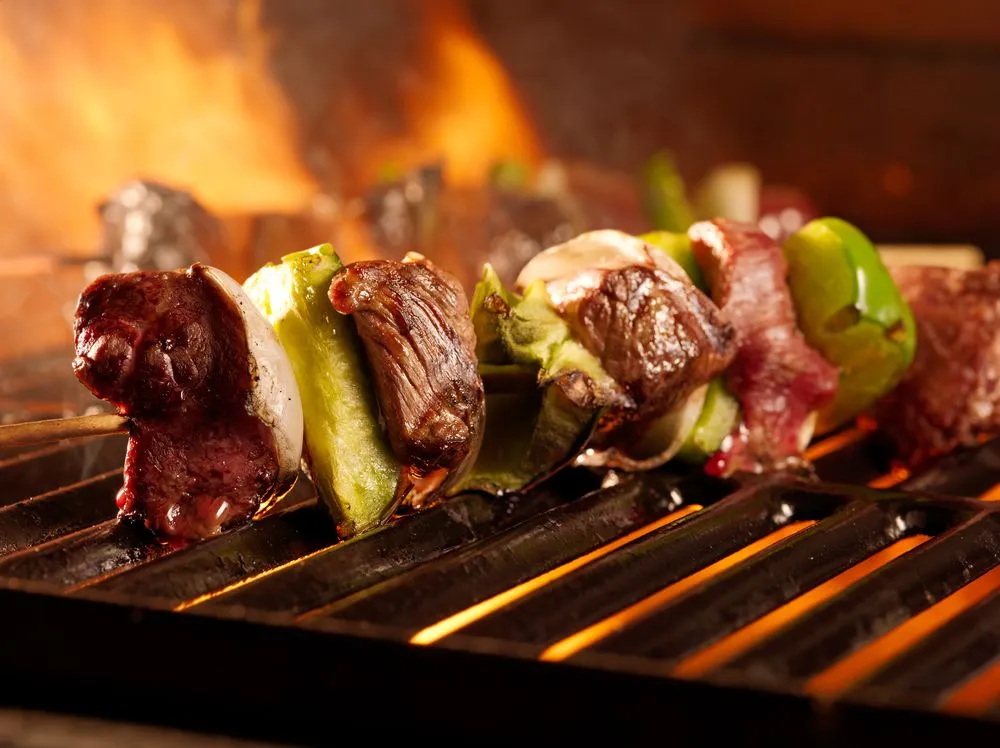
Bad news for barbecue lovers: Regularly eating meats that are sizzled on the grill may increase the risk of high blood pressure, a new study suggests.
Other high-temperature cooking methods, including broiling and roasting, were also linked with high blood pressure, the study found.
In the study, the researchers analyzed information from more than 86,000 women and 17,000 men who, at the beginning of the study period, did not have high blood pressure and were followed for up to 16 years. All of the participants were health professionals who were surveyed about their diet and cooking methods. [9 New Ways to Keep Your Heart Healthy]
During the study, about 37,000 people developed high blood pressure. When the researchers looked at the participants who reported eating meat at least twice a week, they found the following:
People who reported eating grilled, broiled or roasted beef, chicken or fish more than 15 times a month were 17 percent more likely to develop high blood pressure during the study period, compared with people who ate these foods fewer than four times a month.
Those who said they tended to eat their meat well-done were 15 percent more likely to develop high blood pressure than those who said they tended to eat their meat rare.
So why would grilled meat raise the risk of high blood pressure?
Get the world’s most fascinating discoveries delivered straight to your inbox.
In animal studies, researchers have found that chemicals that are produced when meats are cooked at high temperatures lead to inflammation, oxidative stress (a process that can damage cells) and insulin resistance, which is when the body does not properly respond to insulin, lead study author Gang Liu, a postdoctoral research fellow in the Department of Nutrition at the Harvard T.H. Chan School of Public Health in Boston, said in a statement. These same chemicals may also raise the risk of high blood pressure, he said.
The chemicals that are produced by these grilling and other high-temperature cooking methods have also been linked with cancer, Live Science previously reported.
Still, the researchers noted that the new study found only an association, and cannot prove that eating grilled meat actually causes high blood pressure. Future studies are needed to further examine the link and to look at other cooking methods, such as stewing and stir-frying.
The study was presented yesterday (March 21) at an American Heart Association meeting in New Orleans focused on epidemiology and prevention. The findings have not yet been published in a peer-reviewed journal.
Original article on Live Science.

Rachael is a Live Science contributor, and was a former channel editor and senior writer for Live Science between 2010 and 2022. She has a master's degree in journalism from New York University's Science, Health and Environmental Reporting Program. She also holds a B.S. in molecular biology and an M.S. in biology from the University of California, San Diego. Her work has appeared in Scienceline, The Washington Post and Scientific American.