














Woman Dies After Eating Raw Oysters: What Are Vibrio Bacteria?

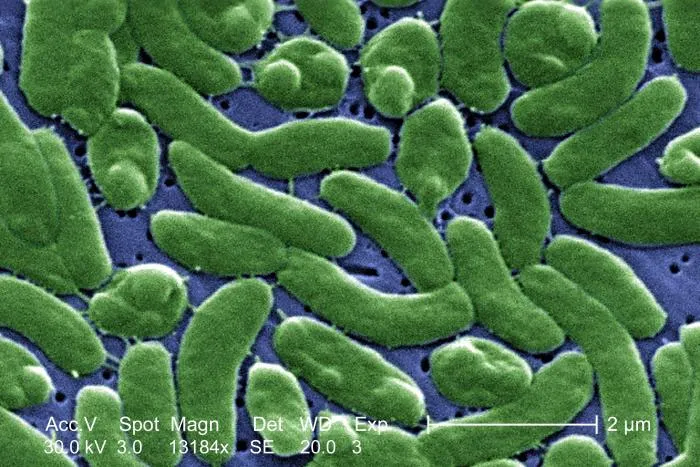
A Texas woman developed a fatal infection with flesh-eating bacteria after eating raw oysters, according to news reports.
The woman, Jeanette LeBlanc, went crabbing with her friends and family on the coast of Louisiana in September, according to CBS News. During the trip, LeBlanc and her friend Karen Bowers shucked and ate about two dozen raw oysters, Bowers told CBS.
But shortly afterward, LeBlanc experienced breathing problems and had a rash on her legs, which looked like an allergic reaction, Bowers said.
But LeBlanc's condition continued to worsen, and doctors said she was infected with a type of "flesh-eating" bacteria called Vibrio.
The Vibrio bacteria naturally live in coastal waters and are particularly abundant between May and October, when the water is warmer, according to the Centers for Disease Control and Prevention (CDC).
People can become infected with Vibrio by eating raw or undercooked shellfish, which include oysters, the CDC said. People can also become infected if they have open wounds on their skin that are exposed to brackish or salt water.
Vibrio bacteria cause about 80,000 illnesses and 100 deaths each year in the United States, according to the CDC. Most people who contract Vibrio from raw oysters experience only diarrhea and vomiting, and those with these milder cases typically recover in about three days, according to the CDC. But in some people, more serious illness can occur, resulting in bloodstream infections and severe blistering skin lesions, the CDC says. About 1 in 4 people with these serious infections dies from the illness.
Get the world’s most fascinating discoveries delivered straight to your inbox.
LeBlanc was exposed to both raw oysters and brackish water. (Whether it was raw oysters or brackish water that led to LeBlanc's infection has not been reported.)
She battled the illness for 21 days but was not able to recover. She died on Oct. 15, 2017, CBS said.
Now, LeBlanc's partner, Vicki Bergquist, and Bowers want to raise awareness about Vibrio infections.
"If we had known that the risk was so high, I think she would've stopped eating oysters," Bergquist said.
Original article on Live Science.

Rachael is a Live Science contributor, and was a former channel editor and senior writer for Live Science between 2010 and 2022. She has a master's degree in journalism from New York University's Science, Health and Environmental Reporting Program. She also holds a B.S. in molecular biology and an M.S. in biology from the University of California, San Diego. Her work has appeared in Scienceline, The Washington Post and Scientific American.