













Archaeologists Return to Franklin Expedition Shipwreck

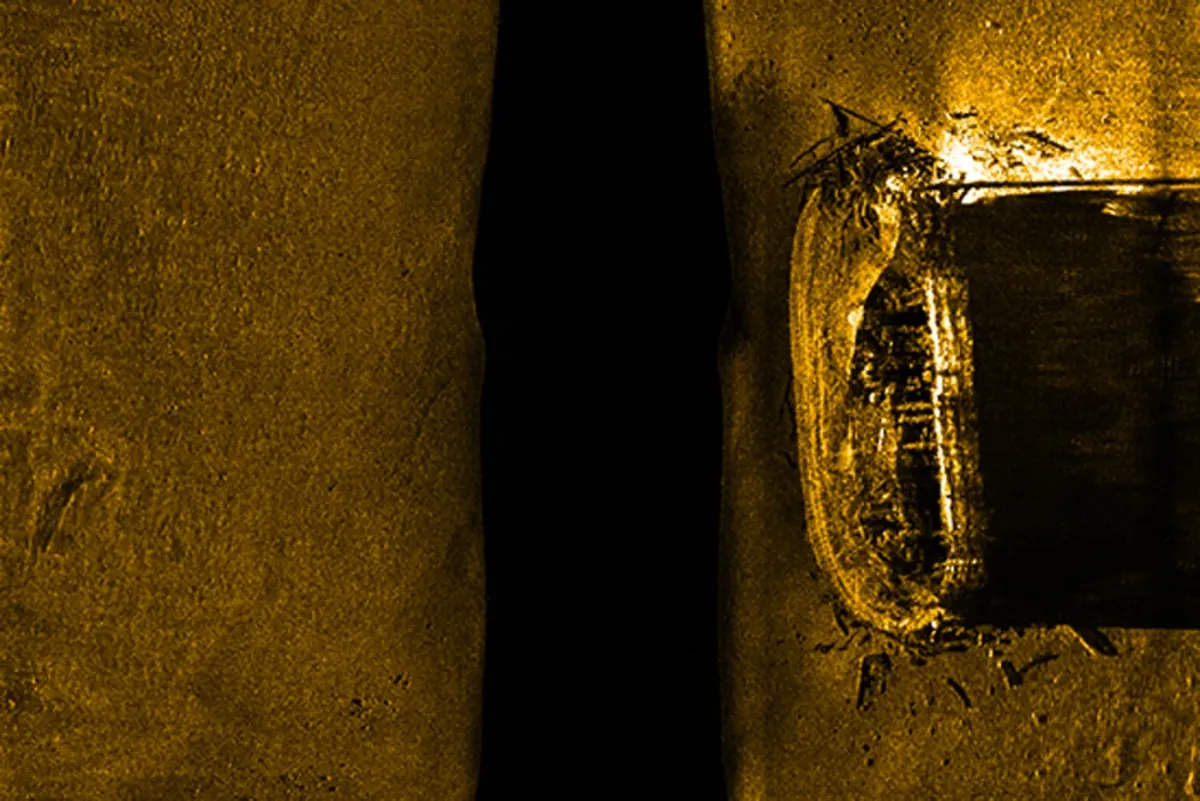
Archaeologists are back at the site of the HMS Terror, a long-sought shipwreck from the Franklin Expedition that went missing in Arctic Canada 170 years ago.
Tipped off by local Inuit knowledge, researchers rediscovered the shipwreck only last year in Terror Bay, off the remote coast of King William Island. On April 28, the Parks Canada Agency announced that a new investigation of the ship had begun.
The site is currently being explored with remotely operated underwater vehicles (ROVs) that will collect photos, videos and scans of the wreck. Parks Canada officials said that information will be used to plan manned dives to the wreck in late summer. The agency's team of underwater archaeologists will also continue their work on the HMS Terror's sister ship, HMS Erebus, which was rediscovered in 2014 in Victoria Strait. [In Photos: Arctic Shipwreck Solves 170-Year-Old Mystery]
Divers have already recovered several artifacts from the Erebus, including buttons, ceramics plates, a bronze bell, a 680-lb. (310 kilograms) cannon and medicine bottles. If the initial reports from the Terror's discovery are any indication, the second shipwreck could yield a bevy of interesting finds as well.
The explorers who piloted an ROV through the wreck told The Guardian last summer that the ship was in perfect condition in the chilly Arctic waters, with plates and cans still on the shelves in the mess hall and the windows still intact.
"I'm very excited that we will soon learn more about the second of the Franklin shipwrecks," Catherine McKenna, the minister responsible for Parks Canada, said in a statement.
Documenting the shipwrecks is part of a wider, decades-long effort to understand the fate of the Franklin Expedition, which left the U.K. in 1845 in search of a Northwest Passage. None of the 129 crew members survived. Researchers know that the ships were abandoned in April 1848, but they still have many unanswered questions about the end of the voyage, such the identity of the final survivors and how they planned to get to safety.
Get the world’s most fascinating discoveries delivered straight to your inbox.
Besides the ships, the crew also left behind a smattering of graves, bones and artifacts in the Canadian Archipelago that scientists and historians are still trying to make sense of. Also in April, researchers published the first results of an effort to extract DNA from the bones of 24 Franklin Expedition sailors. That new genetic database could offer a more accurate count of the number of expedition members who died at different locations, and perhaps eventually help reveal the identities of the unfortunate crew members who never made it to safety.
Original article on Live Science.
