















Severe Stress and Depression Increase Risk of Early Death

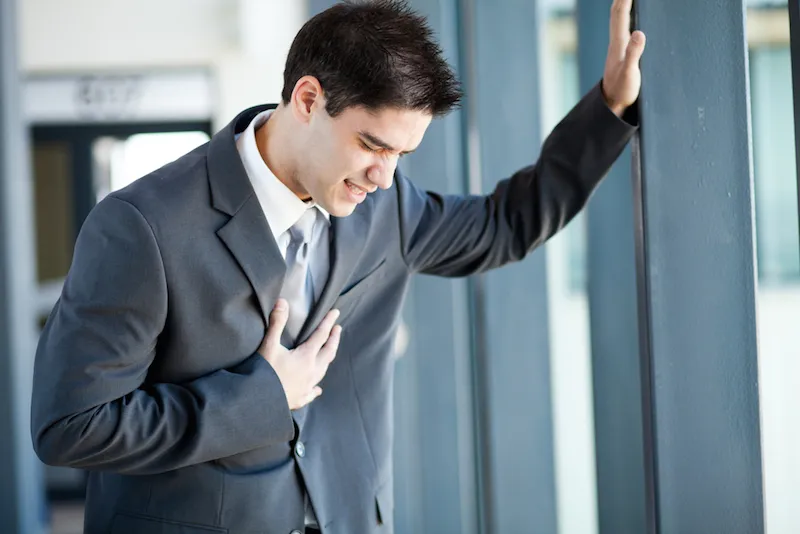
Stress and depression can take a dangerous toll on the health of people with heart problems, a new study finds.
People in the study who had high levels of both stress and depression were 48 percent more likely to die or have a heart attack during the study period, compared with the group that had low levels of stress and depression, the researchers said.
For people who already have heart problems, the combination of stress and severe depression creates a "psychosocial perfect storm," the researchers said in their study, published online today (March 10) in the journal Circulation: Cardiovascular Quality and Outcomes.
"The increase in risk accompanying high stress and high depressive symptoms was robust and consistent across demographics, medical history, medication use and health risk behaviors," the study's lead author, Carmela Alcántara, an associate research scientist at Columbia University Medical Center in New York City, said in a statement. [11 Tips to Lower Stress]
The study included nearly 5,000 people with coronary heart disease who were 45 years or older. The participants shared their symptoms of depression and stress during in-home examinations and on questionnaires that were conducted from 2003 through 2007. For example, the participants answered questions on how often they had felt lonely or had crying spells during the past week, and how often they felt unable to control important things in their lives or felt overwhelmed during the past month.
About 6 percent, or 274 people in the study, reported having both high stress and high depression, the researchers found. After a six-year follow-up, there were 1,337 deaths or heart attacks among the people in the study.
The researchers noted that the "high vulnerability period,"during which people with intense stress and depression were at increased risk of dying or having a heart attack lasted about two and a half years, but after that, the increase in risk disappeared.
Get the world’s most fascinating discoveries delivered straight to your inbox.
They also found that people who had only high stress, or had only high depressive symptoms, but not both depression and stress at the same time, did not have an increased risk of death or heart attack.
Many treatment programs look at depression's effects on people with heart disease, but the new findings may help stress management enter that equation, Alcántara said. For instance, behavioral interventions may help people with heart disease manage both their stress and their depression, she said.
Follow Laura Geggel on Twitter @LauraGeggel. Follow Live Science @livescience, Facebook & Google+. Original article on Live Science.

Laura is the managing editor at Live Science. She also runs the archaeology section and the Life's Little Mysteries series. Her work has appeared in The New York Times, Scholastic, Popular Science and Spectrum, a site on autism research. She has won multiple awards from the Society of Professional Journalists and the Washington Newspaper Publishers Association for her reporting at a weekly newspaper near Seattle. Laura holds a bachelor's degree in English literature and psychology from Washington University in St. Louis and a master's degree in science writing from NYU.