













Ocean Wave Heights Rising Along East Coast

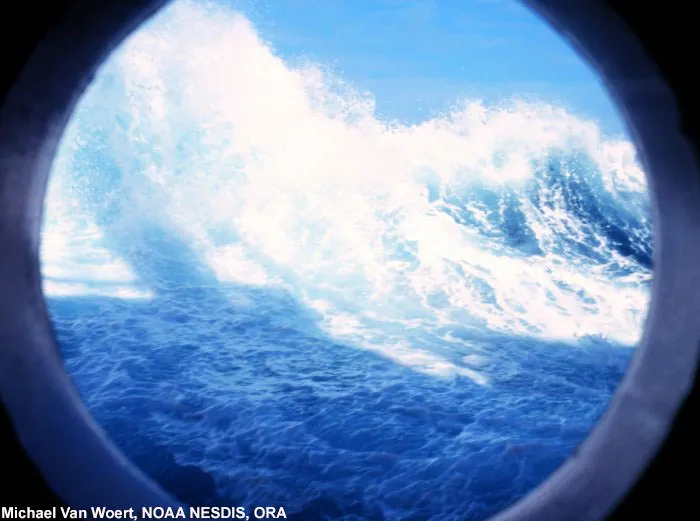
Ocean wave heights along the U.S. East Coast have progressively increased during the summer months—when hurricanes are most important to wave generation, a new study shows.
The study, detailed in a recent issue of the Journal of Coastal Research, analyzed measurements taken from three ocean buoys National Data Buoy Center located along the central U.S. Atlantic shore and one buoy in the Gulf of Mexico since the 1970s.
Initially, they had intended to study whether there had been increasing wave heights generated by nor’easters but found no significant change. Summer data, however, showed a different picture.
Significant wave heights measured during the hurricane season (which runs from June 1 to November 30) show that the most extreme occurrences during the 1996 to 2005 decade were both higher and more common than those of 30 years ago, having increased from about 23 feet (7 meters) to higher than 33 feet (10 meters). Hurricane season peaks in late August to early September.
The waves recorded by the buoys depended on the annual numbers of hurricanes that followed tracks northward into the central Atlantic, how close their tracks approached the buoys, and the intensities of those hurricanes.
Examinations of the storms that have occurred since 1980 indicate that the primary explanation for the progressive increase in wave heights has been an intensification of the hurricanes, factoring in an increased numbers of storms.
Several studies have linked the recent intensification of hurricanes to global warming.
Get the world’s most fascinating discoveries delivered straight to your inbox.
Whatever the cause of the increased wave heights is, the researchers say that still-greater hazards to communities along the coasts in the study will continue.
- Natural Disasters: Top 10 U.S. Threats
- Top 10 Surprising Results of Global Warming
- Images: Hurricane Impacts
