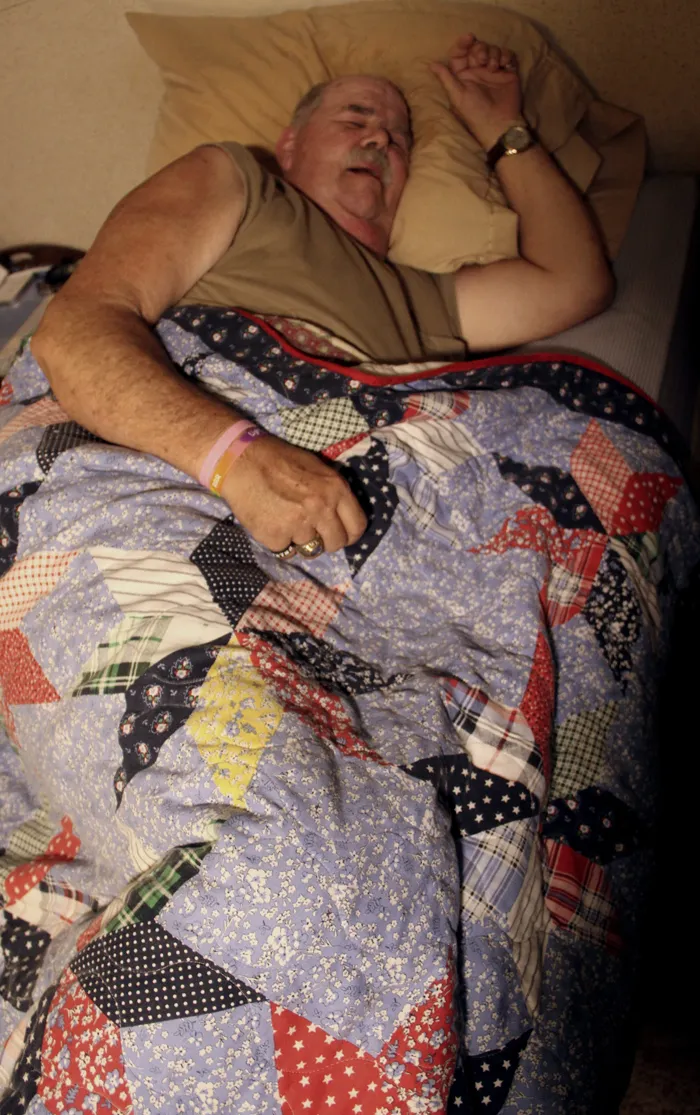
Experts at The Ohio State University Wexner Medical Center treat narcoleptic patients with medication designed to consolidate patients' sleep at night and improve alertness during the day.
(Image credit: The Ohio State University Wexner Medical Center.)
It's normal to feel tired sometimes, but when staying awake becomes a struggle more often than not, it may be appropriate to have a sleep evaluation.
Nearly 40 million Americans suffer from sleep disorders, according to the National Sleep Foundation. Narcolepsy , a condition that causes excessive daytime sleepiness, is a rare but significant sleep disorder. Those suffering with the disorder experience sudden attacks of sleep that make it difficult to stay awake for long periods of time, regardless of circumstance. As a result, day-to-day activities such as talking, driving and working can become arduous — and sometimes even dangerous.
The signs of narcolepsy aren't always obvious, despite how the condition is popularly portrayed. While the most evident symptom is daytime sleepiness, narcoleptic patients might also experience other symptoms. One of these is cataplexy — muscle weakness that is brief and usually triggered by emotional stimuli such as laughter, surprise or anger. Other symptoms include sleep paralysis, the temporary inability to speak or move while falling asleep or upon waking, and hypnogogic hallucinations, which are dream-like, sometimes terrifying, hallucinations that occur during the transition from wakefulness to sleep.
In my field, we believe that narcolepsy may be caused by a lack of hypocretin production in the brain. Hypocretin is a hormone made in the hypothalamus that regulates sleep, eating and body temperature. Though adolescents can experience narcolepsy, symptoms usually first develop in young adulthood, mostly affecting men and women between the ages of 18 and 30.
If you're a topical expert — researcher, business leader, author or innovator — and would like to contribute an op-ed piece, email us here.
Although there is no widespread cure for narcolepsy, treatment can help alleviate some of its symptoms. When we treat the condition at our facility, we use medication designed to consolidate patients' sleep at night and improve alertness during the day, as well as treat cataplexy symptoms.
Many people don't equate sleepiness with disease, so narcolepsy patients can endure years of daytime sleepiness before seeking treatment. The disorder can stand in the way of leading a normal life, deeply affecting personal relationships and putting patients in potentially dangerous situations. That's why it's so important to keep track of personal sleeping habits and to check in with your doctor if you're having trouble staying alert and awake. [Zzzzzzzz: The Mathematics of a Good Night’s Sleep]
Sign up for the Live Science daily newsletter now
Get the world’s most fascinating discoveries delivered straight to your inbox.
A good place to start is by taking our Sleep Quiz. The results will help indicate if you need to schedule an appointment with your primary care physician. You can also begin tracking your sleep habits with our Sleep Diary.
If you or anyone you know is experiencing signs of narcolepsy, it's time to wake up. Take control of your health and life by becoming more aware of the signs and risks of this disorder.
Author's Note: You can learn more about sleep disorders on the Wexner Medical Center's sleep disorders resource site.
Follow all of the Expert Voices issues and debates — and become part of the discussion — on Facebook, Twitter and Google +. The views expressed are those of the author and do not necessarily reflect the views of the publisher. This version of the article was originally published on Live Science.