















Many Parents Not Sure Which Items are Safe for Baby's Crib

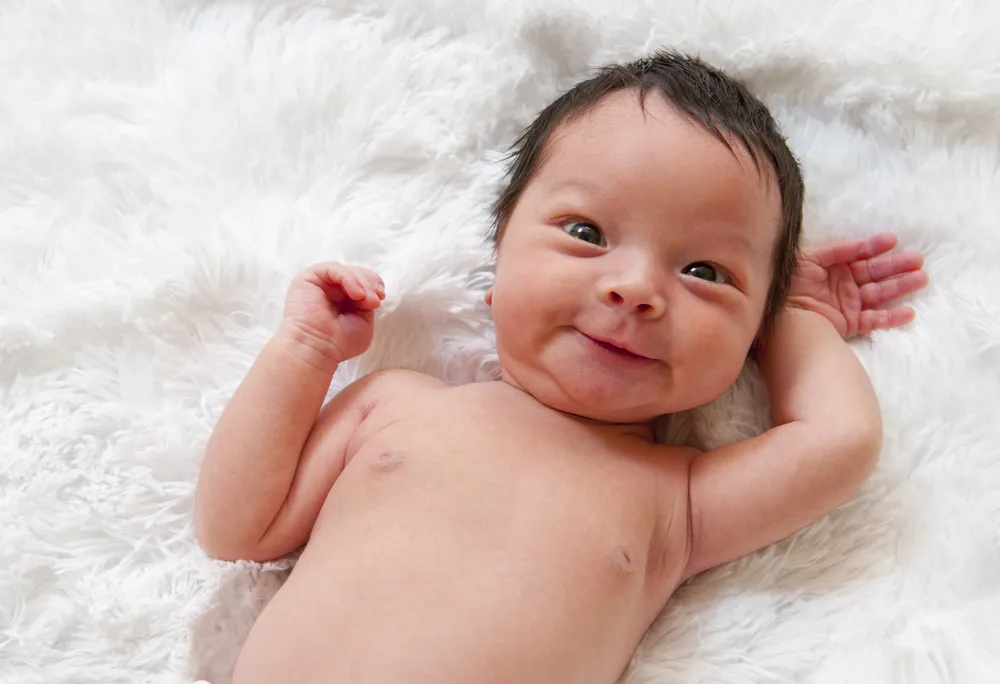
Toys and colorful blankets may make a baby's crib look cute, but many parents are not aware that these items can be hazardous in a newborn's bed, a new study suggests.
Researchers surveyed about 500 parents who visited either an obstetric or pediatric clinic in Kansas. Parents were asked about safe sleep practices, including the position an infant should be in when sleeping, and what items the parents would consider safe in a crib.
About 80 percent said they would place their baby on its back to sleep, which the American Academy of Pediatrics recommends as a way to reduce the risk of Sudden Infant Death Syndrome (SIDS), or the unexplained death of a child under 1 year old.
However, more than 60 percent of parents said it would be safe to have an item in a baby's crib that actually would be unsafe, the most common being blankets. [7 Baby Myths Debunked]
The AAP says that the safest baby bed consists solely of a firm crib mattress covered by a fitted sheet. Other items, including bumpers, pillows, loose blankets and stuffed toys, should not be placed in a baby's sleeping area, because these items pose a risk of suffocation or strangulation, the AAP says.
Study researcher Dr. Zachary Kuhlmann, of the University of Kansas School of Medicine-Wichita, said that doctors could do a better job in talking with parents about safe sleep for babies.
"Although the [safe sleep] message is out there, we're not doing a good enough job delivering the message to our patients," Kuhlmann said.
Get the world’s most fascinating discoveries delivered straight to your inbox.
Kuhlmann and colleagues developed a checklist to help doctors discuss safe sleep. The checklist includes the baby's sleep position, the sleep location (type of bed) and the items in the crib. Doctors went through the checklist with parents to assess their knowledge of safe sleep, and so the doctors could discuss any misperceptions that parents had about safe sleep.
The new study was presented in April at the meeting of the American Congress of Obstetricians and Gynecologists in Chicago.
Because the study was conducted in just two clinics, it's not clear how well the findings may translate to other areas of the United States. However, another recent study of a much larger population — nearly 400,000 parents in 36 U.S. states — also found that many parents had misperceptions about safe sleep. That study found that in some states, including Alabama, half of parents do not place their infants on their backs to sleep.
Follow Rachael Rettner @RachaelRettner. Follow Live Science @livescience, Facebook & Google+. Original article on Live Science.

Rachael is a Live Science contributor, and was a former channel editor and senior writer for Live Science between 2010 and 2022. She has a master's degree in journalism from New York University's Science, Health and Environmental Reporting Program. She also holds a B.S. in molecular biology and an M.S. in biology from the University of California, San Diego. Her work has appeared in Scienceline, The Washington Post and Scientific American.