













What Are the Types of Meditation?
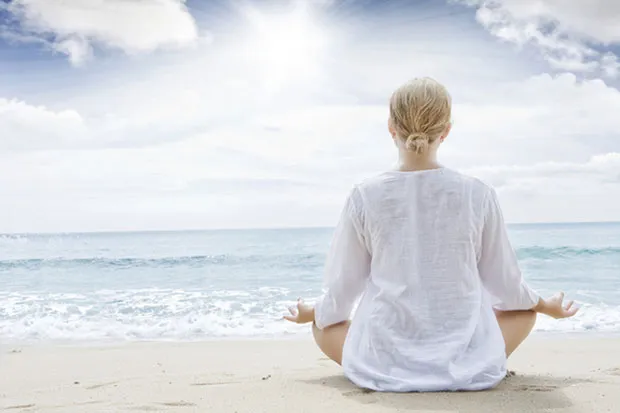
"The Healthy Geezer" answers questions about health and aging in his weekly column. This is the second of three columns on meditation.
Question: What are the types of meditation?
Answer: Meditation is classified as a mind-body practice. It is used to move the focus of your attention away from the noise of the mind to the inner self where there is silence and peace.
The primary benefits of meditation are immediate relaxation and a better understanding of how your body, mind and spirit work together so that you can handle stressful situations. Over time, you will gain greater peace for yourself and those around you.
Meditation has been practiced for thousands of years. Most meditation originated in ancient spiritual traditions. There are many types of meditation. These include:
- Zazen: Zen Buddhist meditation, which has been practiced for 2,500 years. Zazen is more than meditation, though; it is the study of the self. It is an intense spiritual practice that can't be summarized in a few words. In this form of meditation, you sit still and concentrate on your breathing and being in the moment.
- Kinhin: Another form of Zen meditation practiced while walking. Attention is directed at the feet while stepping slowly.
- Transcendental meditation: By repeating a sound (mantra) to yourself, you can move your focus from your mind to the sound. This form of meditation comes from the Hindu traditions.
- Chanting: Voiced repetitive sounds work like mantras.
- Guided meditation: In this method of meditation you form mental images that you find relaxing such as sunbathing at the beach.
- Qi gong: Qi gong (CHEE-gung) is part of traditional Chinese medicine. This practice generally combines meditation, relaxation, physical movement and breathing exercises to restore and maintain balance.
- Tai chi: Tai chi (TIE-chee) is a form of Chinese martial arts. When you practice Tai chi, you assume a variety of postures in a slow, graceful manner while practicing deep breathing.
- Yoga: In yoga, you use postures and controlled breathing exercises to calm the mind and develop a more flexible body.
How long should you meditate? As long as you like. I find that 15 minutes twice a day has remarkable benefits. During the day I feel more at ease. It takes a lot to get me angry. I worry much less, especially about trivia. I think more clearly and find solutions to problems more easily.
The results of meditation seem magical, but there's no magic involved. When you get deeply into meditating, you will rediscover the person you've always been, the one without all the baggage of responsibilities, life roles, grievances, disappointments, fears.
Get the world’s most fascinating discoveries delivered straight to your inbox.
Researchers have found that meditation makes changes in the body. In one area of research, scientists are attempting to determine whether meditation changes brain function. Some types of meditation might work by affecting the involuntary nervous system that controls heartbeat, sweating, breathing, and digestion.
Meditation is considered to be safe for healthy people. There have been rare reports that meditation might cause or worsen symptoms in people with psychiatric problems. If you want to try meditation, you should consult a physician to discuss it.
[In our next column, we'll give you specific techniques for meditating successfully.]
If you have a question, you can write to me at [email protected].
All Rights Reserved © 2014 by Fred Cicetti