














Resetting Our Clocks: How the Body's Tiny Timekeepers Work
Springing clocks forward by an hour this Sunday (March 9), traveling across time zones, staring at a computer screen late at night or working the third shift are just a few examples of activities that can disrupt our daily, or circadian, rhythms. These roughly 24-hour cycles influence our physiology and behavior, and they're driven by our body's network of tiny timekeepers. If our daily routines fall out of sync with our body clocks, sleep, metabolic and other disorders can result.
Researchers funded by the National Institutes of Health have spent decades piecing together the molecular mechanisms of our biological clocks. Now, they're building on that basic knowledge to better understand the intricate relationship among these clocks, circadian rhythms and physiology — and ultimately, find ways to manipulate the moving parts to improve our modern-day lives.
"The implications are quite significant when you think about the potential health and economic impact," says NIH's Michael Sesma, who has tracked progress in circadian rhythms research for more than 15 years. In addition to treating clock-related disorders, he says the ability to influence our biological clocks could aid soldiers and sailors in combat, airline pilots and crews, emergency department doctors and others who need to remain alert at night for long periods of time.
People have been fascinated with daily rhythms of physiology and behavior in plants and animals for centuries, but research on the underlying biology began in the late 1960s.The observation that fruit fly eggs always hatch at the same time of day led to the identification of one of the first known "clock" genes. Shortly after, additional genetic research on fruit flies revealed several more clock components. Fruit flies are a model organism used to explore a wide range of biological processes, including the study of sleep and other rhythmic behaviors.
"We don't think of flies as sleeping," states Sesma, "but like most organisms, they have a phase where their activity resembles a sleep state."
Studies of other model organisms have shown that biological clocks work similarly across species, including humans. The clock is an intricate system of genes and proteins that operate in a feedback loop. Clock genes contain instructions for making clock proteins, whose levels rise and fall in a regular cyclic or oscillating pattern. This pattern, which can be synchronized, reset or disrupted by environmental stimuli, such as light, in turn regulates the activity of the genes, influencing physiological processes and behaviors in a daily pattern.
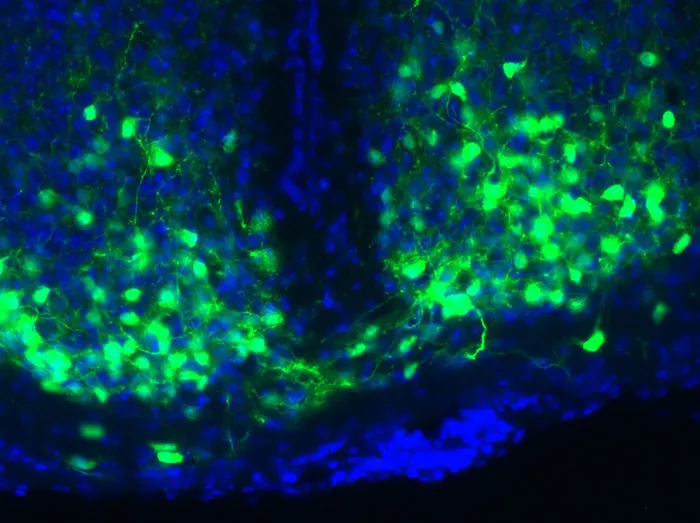
In one recent study, a team of scientists from Washington University in St. Louis and the University of California, Santa Barbara, found that, at least in mice, an extra burst of a molecule called VIP could help biological clocks adjust more quickly to abrupt changes in day-night cues. VIP is a small signaling molecule that cells in the brain's master clock release and receive to synchronize with each other and with local time.
Get the world’s most fascinating discoveries delivered straight to your inbox.
While the VIP boost caused the time-keeping cells to get out of sync, making them less able to coordinate daily rhythms, it improved their ability to re-synchronize after a major shift in light schedule. For mice in the study, providing extra VIP the day before an 8-hour change in the light-dark cycle halved the time the animals needed to adjust to the new schedule. The research, though still preliminary, suggests that the system controlling VIP release in the brain might be a new target for approaches to treating clock-related problems.
Other studies on circadian rhythms are exploring questions ranging from: "How do all the cells in our brain and body agree on what time it is?" and "Are there 'snooze' buttons that let cells ignore their clocks without altering their physiology?" to "Does the time of day a medicine is taken influence its effectiveness?"
Time — and additional research, of course — will tell!
The research reported in this article was funded in part under NIH grants GM096873 and MH063104.
This Inside Life Science article was provided to Live Science in cooperation with the National Institute of General Medical Sciences, part of the National Institutes of Health.
Learn more:
A Light on Life's Rhythms Article from FindingsMagazine
Also in this series: