














Brain-Eating Amoebas Found in Water Supply

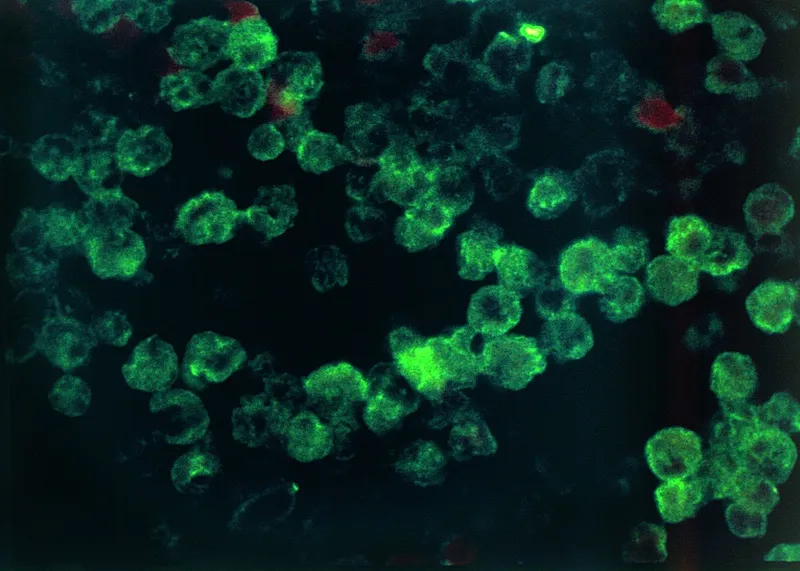
Are brain-eating amoebas lurking in your water? Normally seen in freshwater ponds and rivers across the southeastern United States, the nasty little bugs — known to scientists as Naegleria fowleri — have now been found in the drinking-water supply of St. Bernard Parish, La.
Health officials realized there might be a problem because the water supply in that area had suspiciously low levels of chlorine, CNN reports. Chlorine can kill the amoeba, which is reportedly safe to ingest by drinking (according to Louisiana health officials) because the amoeba is dangerous only when it enters the body through the nose and travels to the brain via the olfactory nerves.
In August, a 4-year-old boy in St. Bernard Parish died as a result of an N. fowleri infection — the disease kills nearly all of its victims. But earlier this year, a 12-year-old girl in Arkansas survived an infection, due, in large part, to the rapid response of her medical team. Of the 128 people in the United States who became infected with the parasite between 1962 and 2012, she is only the second to survive, according to the Centers for Disease Control and Prevention.
Get the world’s most fascinating discoveries delivered straight to your inbox.
