













Why Do People Drink Milk?

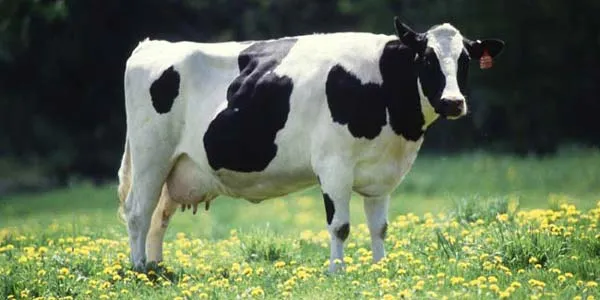
Milk is widely recognized as a nutritious drink for people of all ages — it's a good source of protein, calcium, vitamin D, potassium and other vitamins and minerals.
Despite the health benefits of milk, consumption of milk in the United States dropped to its lowest levels in nearly 30 years in 2011, with more than half of adults cutting milk completely out of their diet, according to the U.S. Department of Agriculture.
Among other factors, a greater awareness of lactose intolerance may have something to do with the decline in milk consumption.
The prevalence of lactose intolerance — the inability to digest the milk sugar lactose — varies widely among countries and ethnicities. For example, only a small percentage of people of Northern European descent are lactose intolerant, while the opposite is true for people of East Asian descent.
According to some estimates, two-thirds of the world's adult population cannot digest lactose; other estimates place that portion at closer to three-fourths.
But why do some people continue to drink milk into adulthood?
As all mammals do, human infants produce hefty amounts of lactase, an enzyme that allows the body to digest lactose — without lactase, babies can't digest their mothers' nutrient-rich milk. At around age 5, lactase production decreases, possibly to help facilitate weaning.
Get the world’s most fascinating discoveries delivered straight to your inbox.
But about 7,500 years ago in Central Europe, a genetic mutation popped up, causing some people to produce lactase well into adulthood, according to a 2009 study in the journal PLOS Computational Biology. (The mutation is also believed to have evolved a few other times and places over the last several thousand years.)
How lactose tolerance initially spread isn't entirely clear. One theory suggests pioneering farmers and their families migrated out of Central Europe with domesticated crops that weren't suited for the new environment.
With poor crops and possibly contaminated water sources, they increasingly turned to cow's milk for sustenance, making it a regular part of their diet.
People who were near starvation and didn't have the mutated gene died of lactose-induced diarrhea, while the adults who produced lactase — and were, therefore, able to digest lactose —thrived, passing on their genes to their offspring.
Follow Joseph Castro on Twitter. Follow us @livescience, Facebook & Google+.
