













Dropping Pounds May Not Shed Obesity Stigma

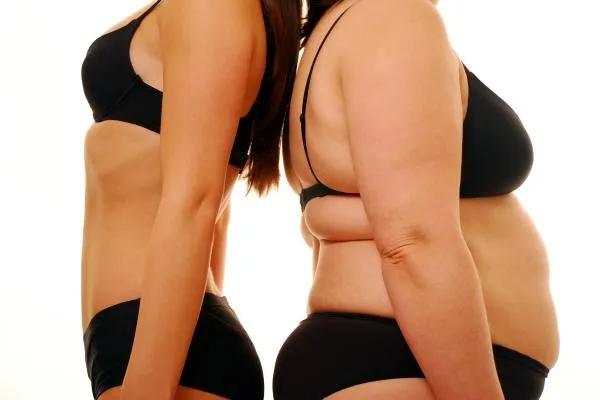
Shedding pounds may not bring an end to the negative opinions people tend to have of obese women even after the women reach a healthy weight, according to a recent study from Australia.
Study participants who read stories about women of various sizes held their biases against the women, even after the stories explained that the women lost weight. These negative judgments were found to be even stronger when the participants were told that people in general have a lot of control over their weight.
"The message we often hear from society is that weight is highly controllable, but the best science in the obesity field at the moment suggests that one's physiology and genetics, as well as the food environment, are the really big players in one's weight status and weight loss," said study co-author Kerry O'Brien, a psychologist at Monash University in Melbourne.
In some of the vignettes used in the study, the woman remains obese; in others, she loses 70 pounds (32 kilograms). After reading the stories, the 273 participants were questioned about their overall perceptions of overweight people and their perceptions of the woman — for example, whether they found her attractive.
Results showed that participants were more likely to hold negative perceptions of women who were obese at a story's start, and their opinions of overweight individuals became even lowerwhen participants read about the woman losing weight.
The finding suggests that negative perceptions accompanying obesitymay be more difficult to shake than the pounds themselves, and are perpetuated by misconceptions about weight, the researchers said.
"Descriptions of weight loss, such as those often promoted on television, may significantly worsen obesity stigma," said lead author Janet Latner, a psychologist at the University of Hawaii at M?noa. "Believing that obese people can easily lose weight may make individuals blame and dislike obese people more."
Get the world’s most fascinating discoveries delivered straight to your inbox.
The researchers suggested that, given the growing numbers of obese individuals, these biases ought to be further examined and addressed.
The study was published online March 22 in the journal Obesity. The researchers announced their findings Tuesday (May 29).
Pass it on: The dislike of obese people may last even after they drop pounds and bring their weight to normal.
Follow MyHealthNewsDaily on Twitter @MyHealth_MHND. Find us on Facebook.
