















Updated at 7:30 a.m. ET on May 30.
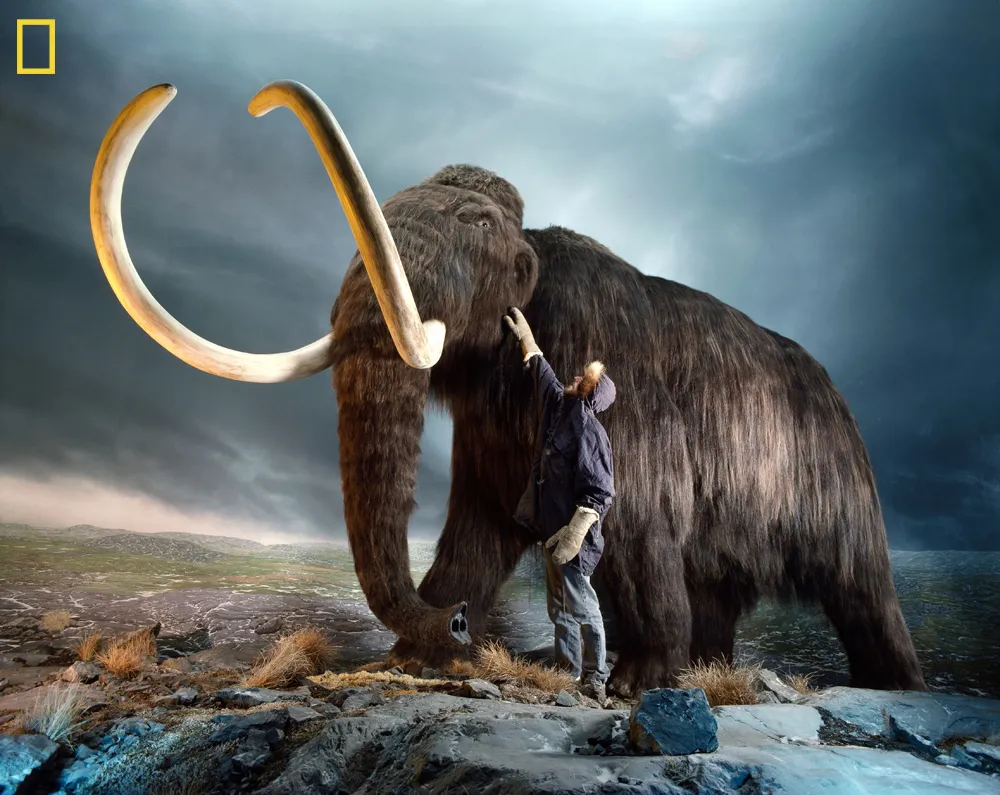
A frozen mammoth has been unearthed in the Siberian ice, and it contains perfectly preserved blood and tissue, according to a scientist in Siberia.
The torso and gnawed-on legs of the mammoth were unearthed, along with dripping blood, in the frozen Novosibirsk Islands off the coast of Siberia. The mammoth lived about 10,000 years ago and was so well-preserved because, unlike other mammoths, this one did not seem to thaw and then refreeze, researcher Semyon Grigoriev, head of the Museum of Mammoths of the Institute of Applied Ecology of the North at the North Eastern Federal University in Siberia, told The Siberian Times.
The findings, which have yet to be published in a peer-reviewed scientific journal, could aid in the race to bring one of the behemoths back to life through cloning. South Korean and Russian stem cell scientists are planning to clone a wooly mammoth by inserting the extinct animals' DNA into an elephant egg, then gestating the creature inside an elephant for a 22-month-long pregnancy.
Follow Tia Ghose on Twitter @tiaghose. Follow LiveScience @livescience, Facebook & Google+.
Get the world’s most fascinating discoveries delivered straight to your inbox.

Tia is the editor-in-chief (premium) and was formerly managing editor and senior writer for Live Science. Her work has appeared in Scientific American, Wired.com, Science News and other outlets. She holds a master's degree in bioengineering from the University of Washington, a graduate certificate in science writing from UC Santa Cruz and a bachelor's degree in mechanical engineering from the University of Texas at Austin. Tia was part of a team at the Milwaukee Journal Sentinel that published the Empty Cradles series on preterm births, which won multiple awards, including the 2012 Casey Medal for Meritorious Journalism.