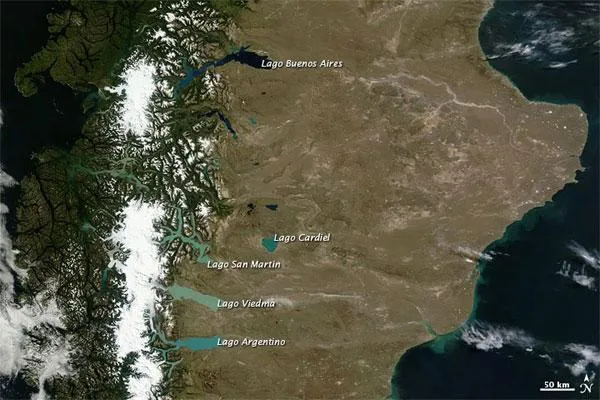
Shades of Blue: Patagonia's Glacial Lakes
Get the world’s most fascinating discoveries delivered straight to your inbox.
You are now subscribed
Your newsletter sign-up was successful
Want to add more newsletters?
Delivered Daily
Daily Newsletter
Sign up for the latest discoveries, groundbreaking research and fascinating breakthroughs that impact you and the wider world direct to your inbox.
Once a week
Life's Little Mysteries
Feed your curiosity with an exclusive mystery every week, solved with science and delivered direct to your inbox before it's seen anywhere else.
Once a week
How It Works
Sign up to our free science & technology newsletter for your weekly fix of fascinating articles, quick quizzes, amazing images, and more
Delivered daily
Space.com Newsletter
Breaking space news, the latest updates on rocket launches, skywatching events and more!
Once a month
Watch This Space
Sign up to our monthly entertainment newsletter to keep up with all our coverage of the latest sci-fi and space movies, tv shows, games and books.
Once a week
Night Sky This Week
Discover this week's must-see night sky events, moon phases, and stunning astrophotos. Sign up for our skywatching newsletter and explore the universe with us!
Join the club
Get full access to premium articles, exclusive features and a growing list of member rewards.
The glacial lakes of Patagonia are blue beacons standing between the richly forested islands and peninsulas of Chile and the high, arid plain stretches east from the Andes in this image taken by NASA's Terra satellite last month.
Most of the glacial lakes extend eastward onto the high plain. Like the lakes of the Qinghai-Tibet Plateau , these water bodies appear in multiple shades influenced by multiple factors, including depth and sediment content.
Lago Buenos Aires (also known as Lago General Carrera) is the darkest of the lakes, ranging in color from electric blue in the west to navy in the east.
In the south, Lago Cardiel and Lago Argentino are lighter. Lago San Martin and Lago Viedma are the palest lakes, and bear the color characteristic of thick glacial flour.
Like glaciers the world over, Andean glaciers have slowly pulverized the rocks below into fine-grained sediments. When pooled in glacial lakes, glacial (or rock) flour colors the water bright turquoise. Patagonian glaciers have been grinding rocks into flour for at least a few million years.
Get the world’s most fascinating discoveries delivered straight to your inbox.