














In Antarctica, Lake Drillers Likely To Come Up Short

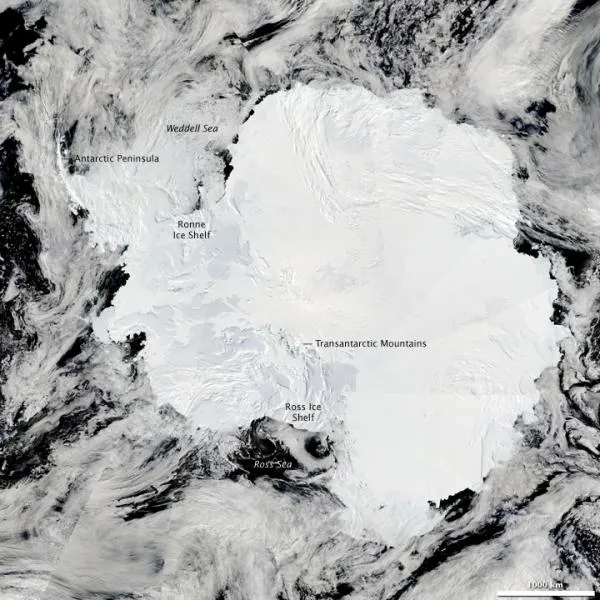
In a race against time to drill to the bottom of an ice-covered Antarctic lake, it seems that a team of Russian scientists will come up just short.
The team was drilling toward the freshwater lake known as Lake Vostok, 12,300 feet (3,750 meters) under the Antarctic ice. The scientists were attempting to drill through the ice to the lake's surface before the austral summer ended. The goal of the drilling is to remove lake water samples and analyze them for genetic evidence of life. That goal may have to wait, as the team expects to come up 65 feet (20 meters) short, the science journal Nature reported.
The director of Russia's Antarctic program, Valery Lukin, told Nature that the drilling team reached 12,170 feet (3,709 m) before stopping drilling from Jan. 26 to Jan. 30. The team made several measurements over those days and prepared the hole for the drilling to come.
The drilling team plans to keep drilling and removing ice cores until they have to leave Antarctica on the last flight out before winter, on Feb. 6. They expect to reach a depth of 12,200 to 12,240 feet (3,720 to 3,370 m) by that time, Lukin told Nature.
Lake Vostok has been undisturbed for 15 million years. It's a cold, dark place with virtually no nutrients or organic carbon, similar to the expected environment on Jupiter's moon Europa. Some think the lake may hold microorganisms in the sediment or bedrock, a discovery that would boost hopes that a similar find could be made on Europa.
But if the team does, in fact, come up short, that search will have to wait until December, when drilling can resume.
- The Coldest Places on Earth
- Infographic: Tallest Mountain to Deepest Ocean Trench
- North vs. South Poles: 10 Wild Differences
Get the world’s most fascinating discoveries delivered straight to your inbox.
