













Dog Treat Made from Bull Penis May Pose Health Risks

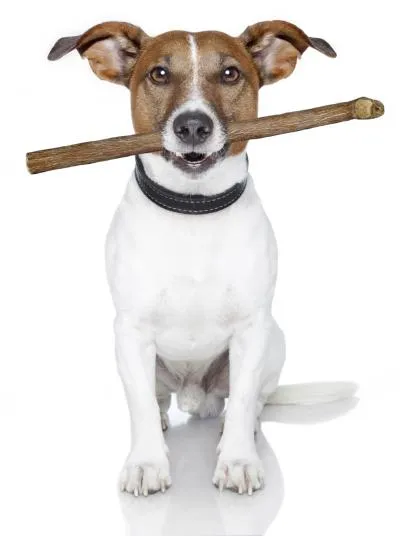
When dog owners toss their canine companions a bully stick to chew on, they might not be aware that the popular treat could be packed with calories and contaminated with bacteria, researchers say. And pet owners might not even know that the stick is made from an uncooked, dried bull penis.
In a small study, researchers examined a sample of 26 bully sticks, also known as pizzle sticks, manufactured in the United States and Canada. They found that the treats contained 9 to 22 calories per inch. That means the average 6-inch bully stick potentially represents 9 percent of the recommended daily calorie count for a larger 50-pound (22-kilogram) dog and 30 percent of the requirements for a smaller 10-pound (4.5-kg) dog — a significant source of calories pet owners might not be aware of.
"With obesity in pets on the rise, it is important for pet owners to factor in not only their dog's food, but also treats and table food," researcher Lisa Freeman, a professor of nutrition at Cummings School of Veterinary Medicine at Tufts University, said in a statement.
Tests for bacteria showed that one of the treats contained Clostridium difficile, one was contaminated with methicillin-resistant Staphylococcus aureus (MRSA), and seven contained E. coli. The researchers noted that their sample was small and a more extensive study is needed to investigate the widespread contamination rate in bully sticks. But they said their results at least suggest pet owners should wash their hands after touching such treats, as they would with any raw meat.
(This isn't the first time a pet treat has been linked with contamination. Researchers from the Centers for Disease Control and Prevention reported in 2010 in the journal Pediatrics that an outbreak of salmonella in 79 people between 2006 and 2008 was caused by contaminated dry pet food.)
While the source of the bully sticks is no secret, many pet owners don't seem to be aware that the treats are made from the raw penises of bulls or steers, a survey by the research team showed. A 20-question online poll completed by 852 dog owners from 44 states and six countries showed that 44 percent of respondents could correctly identify the source of bully sticks as bull penises. (Twenty-three percent said they fed their dogs the treats.) And there was even some confusion among veterinarians — an unimpressive majority of vets (62 percent) polled by the researchers knew where bully sticks came from.
"We were surprised at the clear misconceptions pet owners and veterinarians have with pet foods and many of the popular raw animal-product based pet treats currently on the market," said Freeman in a statement. "For example, 71 percent of people feeding bully sticks to their pets stated they avoid by-products in pet foods, yet bully sticks are, for all intents and purposes, an animal by-product."
Get the world’s most fascinating discoveries delivered straight to your inbox.
The research is detailed in this month's issue of the Canadian Veterinary Journal.
Follow LiveScience on Twitter @livescience. We're also on Facebook & Google+.
