














Power Plant Causes 'Unique' Snow Near Pittsburgh
This article was provided by AccuWeather.com.
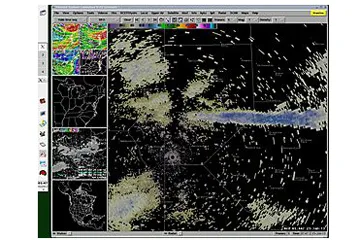
One to two inches of snow fell Tuesday night over Shippingport, Pa., as a result of an unusual cause: steam from a nearby nuclear power plant.
The snow was not fluorescent and not radioactive, as some people joked on social media, but it did take a special set of "ingredients" to form.
"The snow that fell yesterday is not common, but when the weather ingredients are favorable, it can form," AccuWeather.com Expert Senior Meteorologist Bernie Rayno said.
"That's what happened yesterday. It's a unique situation, but not rare."
Low temperatures and concentrated moisture in the air were two key ingredients in the event, Rayno explained.
First, the temperature needed to drop to at least 5 degrees F -- the temperature necessary for a cloud to form.
Get the world’s most fascinating discoveries delivered straight to your inbox.
The power plant was releasing steam from its stacks into the frigid air and the difference between those two air masses were key.
For snow to develop, the moisture -- in this case, steam -- needed to stay concentrated in low levels of the atmosphere.
Over the small city last night, located about 35 miles from Pittsburgh, a phenomenon called "inversion" occurred at around 5,000 feet. This kept the steam from rising upward and dispersing in the atmosphere.
Had the warm air been dispersed, as it frequently is, the snow would not have developed.
Additionally, the calm night, accompanied by almost no wind, allowed the warm air to remain nearly stationary horizontally.
"These factors prevented the moisture plume from rising and dispersing," Rayno said.
When the two air masses collided in the lower level of the atmosphere, one warm and one cold, a narrow band of snow formed and stretched as far as 30 miles from the power plant.
"It was very low in the atmosphere and, if it were farther from the radar, we wouldn't have even see it," AccuWeather.com Expert Senior Meteorologist Jesse Ferrell wrote in his blog.
AccuWeather.com. All rights reserved. More from AccuWeather.com.
The only sure thing about weather forecasts is that they’re wildly different all over the planet. Test your knowledge on the wild ranges in temperature, precipitation and more.
Extreme Weather Facts: Quiz Yourself
