Mouse to Inbred Mouse: You Stink!

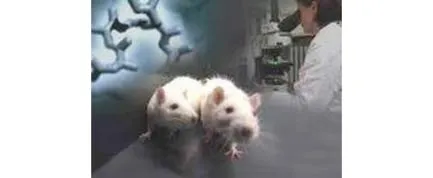
Female mice won't have sex with inbred males because they smell funny, a new study finds.
Similar reactions could be widespread in other species — perhaps even humans, the scientists said.
Animals often avoid inbreeding because unpleasant traits can emerge in their offspring. The researchers wanted to know if females preferred males that were not inbred over those that were and, if so, how they would tell the difference.
Pick a winner
Female mice prefer strong and fit males that can win territory in fights. Given that inbred mice are likely weaker than normal, it was long thought that females avoided inbred males because of their sickliness.
But all else being equal — that is, with inbred males having territories as large as others — scientists discovered that female mice still preferred males that were not inbred.
The secret seems to be their pee. In fact, a study last year found female mice distinguish between dominant and weaker males by sniffing their pee.
Get the world’s most fascinating discoveries delivered straight to your inbox.
The new study found females prefer males with a variety of smelly proteins in their urine, and males that are not inbred produce a greater variety than inbred mice do.
"Females may be able to recognize these superior males simply by 'counting' the number of proteins they produce, without waiting to see which might win in a fight," said researcher Michael Thom, a behavioral ecologist at the University of Liverpool in England. The researchers had previously discovered that mice would not have sex with close relatives to prevent inbreeding because of these smelly pee molecules. Now these findings reveal that females keep away from males that are already inbred.
You, too?
If it is important to animals like mice to identify inbred males, "it seems likely that this will also be important to other animals and could indeed be important to humans," said researcher Jane Hurst Thom, a behavioral ecologist at the University of Liverpool in England.
Still, if humans do have an innate way of detecting inbreeding, Hurst said, it will likely differ from that of mice — "people don't have special communication proteins in their urine like mice do, and they don't go around sniffing each other's urine!" The scientists detailed their findings online April 17 in the journal Current Biology.
- Sex Quiz: Taboos & Myths
- Incest Not So Taboo in Nature
- Amazing Animal Abilities