
 Live Science Plus



Pollution & Debris Stirred by Sandy Threaten Coastal Waters

Oil, pesticides, PCBs: Drip by drip, year after year, pollutants are absorbed into New York City's streets, and now Hurricane Sandy's floodwaters are soaking them out. Hurricane Katrina's urban floodwaters had high levels of bacteria, lead and harmful levels of chemicals including phosphorous and arsenic, studies found.
Local officials in New York City are warning residents to steer clear of the potentially toxic soup, particularly around areas like the Gowanus Canal Superfund site. But the contaminated waters are also raising concerns among those who monitor the health of beaches and bays along the Northeast and Mid-Atlantic.

"There's a great deal of pesticides and fertilizers, as well as urban residue and runoff, all of which puts a lot of chemicals into the water," said Doug Inkley, a senior scientist with the National Wildlife Foundation. "All of the pollution will attach to sediments and settle out when it reaches large bodies of water," he told OurAmazingPlanet.
Oil sheens and debris have been spotted in the Hudson River — everything from 55-gallon drums and quart-sized containers of transmission fluid, to wrecked boats and swamped vehicles with leaking fuel tanks, according to a statement from local advocacy group Riverkeeper.
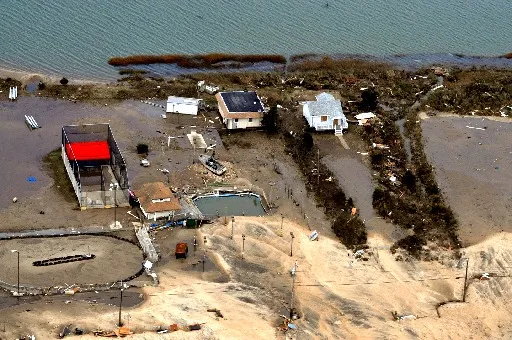
The majority of the physical debris will wash up along the coast. "Ninety-nine percent of it will probably go to a landfill," said Joseph Kelly, an expert on coastal geology at the University of Maine in Orono. [See Photos of Sandy's Aftermath]
The remaining floating plastic can harm marine life. Plastic bags look like delectable jellyfish to sea turtles, who snap them up, only to suffer intestinal blockage. Ropes washed from docks and ships can trap large mammals and fish. "Even whales are not immune from entanglement," Inkley said.
Reach Becky Oskin at boskin@techmedianetwork.com. Follow her on Twitter @beckyoskin. Follow OurAmazingPlanet on Twitter @OAPlanet. We're also on Facebook and Google+.
