














Most of Madagascar's Palm Trees Near Extinction

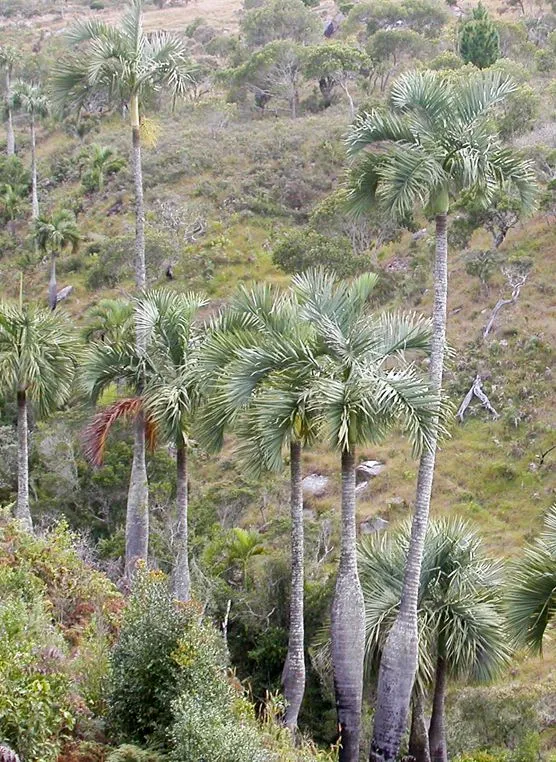
Madagascar's forests are shrinking, and that's bad news for palm trees on the majestic island. The International Union for the Conservation of Nature (IUCN) announced this week that extinction threatens 83 percent of the island's native palm trees.
Palms are an important part of Madagascar's forests, which are home to a wide variety of life. All 192 species of palm tree assessed in this study are unique to the island. Palm trees are also important for Madagascar's communities, providing edible palm hearts and materials for house construction. The main threats to palm trees come from loss of habitat due to logging and agriculture, and the harvesting of the trees for palm hearts and seeds.
"The figures on Madagascar's palms are truly terrifying, especially as the loss of palms impacts both the unique biodiversity of the island and its people," said the IUCN's Jane Smart, in a statement from the conservation group. "This situation cannot be ignored."
The palm trees were added in the latest installment of the IUCN Red List, which catalogues plants and animals that are in danger of going extinct.
"The majority of Madagascar's palms grow in the island's eastern rain forests, which have already been reduced to less than one-quarter of their original size, and which continue to disappear," said William Baker, from the Kew Royal Botanic Gardens, in a statement. This decline "threatens all of the remarkable wildlife that occurs there," he said.
One recently discovered tree, the Tahina palm (also known as the suicide palm), has been classified as critically endangered. This tree is large enough to be seen on Google Earth, growing up to 59 feet (18 meters) tall. A couple months after flowering and producing seeds, it dies. There are only 30 mature Tahina palms left in the wild, according to the release.
All of the species studied are listed as at least "threatened," a step below "endangered." But many do qualify as "endangered," or even "critically endangered," meaning there's an imminent risk of extinction unless immediate action is taken.
Get the world’s most fascinating discoveries delivered straight to your inbox.
To protect the palms, habitat must be protected through partnerships with local people, the IUCN said. That's a challenge given the political instability of the country, the release noted. The Kew Royal Botanic Gardens has started several conservation projects to protect certain palm species.
Follow OurAmazingPlanet on Twitter @OAPlanet. We're also on Facebook and Google+.
