













Fish May Shrink as Oceans Warm

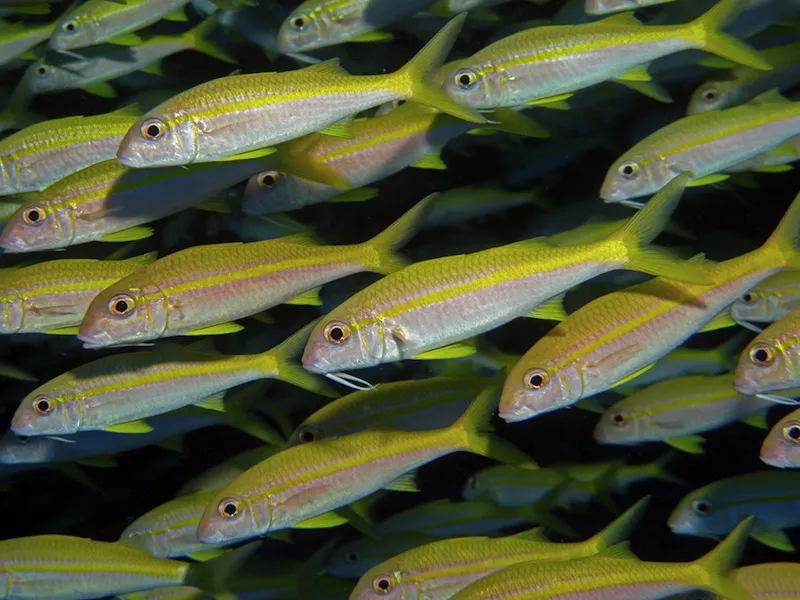
Warming temperatures could lead to smaller fish in the world's oceans, according to new research.
Based on a study of more than 600 species from around the globe, researchers from the University of British Columbia found that many fish won't be able to keep up their body weight as the water warms. The scientists projected that the average maximum body size for the world's fish could decline by up to 24 percent by 2050.
"We were surprised to see such a large decrease in fish size," the study's lead author, William Cheung, said in a statement. "Marine fish are generally known to respond to climate change through changing distribution and seasonality. But the unexpectedly big effect that climate change could have on body size suggests that we may be missing a big piece of the puzzle of understanding climate change effects in the ocean."
Previous studies have shown that cold-blooded animals are directly affected by higher temperatures, which can raise their metabolic rates, meaning they need more food to maintain their body sizes, or else they shrink. Warmer climates could also boost development rates, causing the animals reach maturity at smaller sizes.
The researchers of the new study explained that fish need to get enough oxygen from the water to grow — and they need more oxygen as they get bigger.
"A warmer and less-oxygenated ocean, as predicted under climate change, would make it more difficult for bigger fish to get enough oxygen, which means they will stop growing sooner," Daniel Pauly, another researcher involved in the study, said in a statement.
Size influences an individual's reproductive success (smaller animals in a species tend to have fewer offspring) and its role in a food chain, among other things. Such changes across many species could have serious consequences for fisheries, food security and ocean ecosystems, the researchers warn in their paper published this week in the journal Nature Climate Change. Fish in the tropics and temperate regions will be most impacted by rising ocean temperatures, the researchers said.
Get the world’s most fascinating discoveries delivered straight to your inbox.
Follow LiveScience on Twitter @livescience. We're also on Facebook & Google+.
