













Deadly Human Bacteria Now Infects Chimps

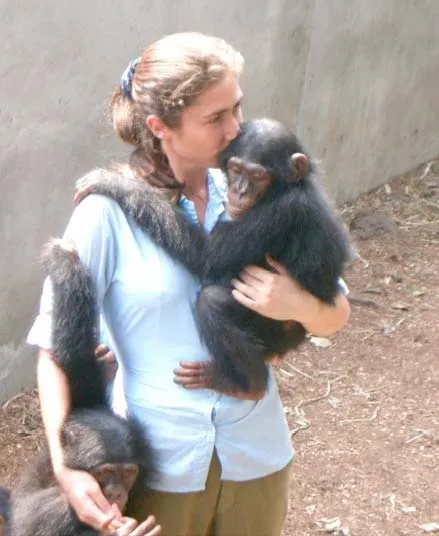
Chimpanzees in African sanctuaries are catching human strains of drug-resistant staph, a new study finds. Experts warn that infected chimps could spread the deadly bug to other apes if reintroduced to the wild — or the pathogen could jump back to humans in a more dangerous form.
Strains of staph (Staphlyococcus aureus) were found in 36 chimpanzees (Pan troglodytes), or over half of those tested, at two sanctuaries — Chimfunshi Wildlife Orphanage in Zambia, and Ngamba Island Chimpanzee Sanctuary in Uganda. A handful of the cases showed signs of multi-drug resistance, the most dangerous form of the bacteria, according to a statement from Emory University.
"We thought that our study would find some pathogen transmission from humans to the apes, but we were surprised at the prevalence of drug-resistant staph we found in the animals," said Emory primate disease ecologist Thomas Gillespie. "It mirrors some of the worst-case scenarios in U.S. hospitals and nursing homes."
In humans, multi-drug resistant staph can cause painful skin infections and can also spread to other parts of the body where it can cause life-threatening conditions, such as sepsis. About 18,000 people in the United States die each year due to multi-drug resistant staph, according to the researchers.
The high levels of human-ape contact common in sanctuaries (particularly for infant and juvenile chimps) make disease transmission highly likely, the researchers say. While it is unclear how staph would spread between chimpanzees in the wild, the researchers said ape sanctuaries need to consider such risks before releasing rescued animals back to their natural habitat.
Staph in sanctuary chimpanzees could also pose a threat to people. Humans and apes have a close genetic relationship and a long history of swapping diseases, from Ebola and HIV to pubic lice, or crabs. "The chimpanzee may serve as an incubator where the pathogen can adapt and evolve, and perhaps jump back to humans in a more virulent form," Gillespie warned in a statement from Emory.
The research was published online Tuesday (Aug. 21) in the American Journal of Primatology.
Get the world’s most fascinating discoveries delivered straight to your inbox.
Follow LiveScience on Twitter @livescience. We're also on Facebook & Google+.
