















Citrus Fruits Lower Women's Stroke Risk

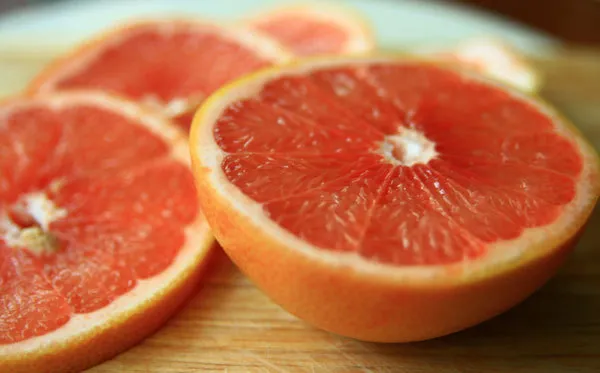
A diet rich in citrus fruits, such as oranges and grapefruits, may reduce women's risk of stroke, a new study says.
In the study, women who ate the most citrus fruit had a 19 percent lower risk of having an ischemic stroke than women who ate the least. In an ischemic stroke, blood flow to the brain is blocked, sometimes by clogged arteries.
While other studies have looked at the benefits of eating fruit in general, in the new study, the researchers looked at different types of fruit. Prior research has shown that compounds called flavonoids found in fruit — and also in vegetables, dark chocolate and red wine — may benefit health, but not all flavonoids appear to have the same effect on stroke.
In the new study, there was no link between overall flavonoids consumption and stroke risk, the researchers said.
But citrus fruit contains a subgroup of flavaonoids, called flavanones, and it's these compounds that the new study linked with lower stroke risk.
While flavanones can be found in citrus juices, the researchers recommended eating more citrus fruit, rather than drinking more juice, because commercial fruit juices tend to contain a lot of sugar.
The study will be published in April issue of the Stroke: Journal of the American Heart Association.
Get the world’s most fascinating discoveries delivered straight to your inbox.
The study followed 69,622 women for 14 years, with participants reporting their food intake (including details on fruit and vegetable consumption) every four years. The researchers examined analyzed the women's diets, looking for the six main subclasses of flavonoids — flavanones, anthocyanins, flavan-3-ols, flavonoid polymers, flavonols and flavones.
Flavanones may reduce risk of stroke through several mechanisms, including improving blood vessel health and countering inflammation, said study researcher Aedín Cassidy, a professor of nutrition at the University of East Anglia in the United Kingdom.
Previous studies on fruit consumption and stroke risk have had mixed results. For instance, one study found a link between increased consumption of white fruits like apples and pears and lower stroke risk, but found no link for yellow and orange fruits.
More studies are needed to confirm the association between flavanone consumption and stroke risk, and to gain a better understanding of the link, the researchers said.
Pass it on: Compounds in citrus fruits may lower the risk of stroke.
This story was provided by MyHealthNewsDaily, a sister site to LiveScience. Follow MyHealthNewsDaily on Twitter @MyHealth_MHND. Find us on Facebook.
