













Grapefruit Antioxidant Breaks Down Fat, Study Shows

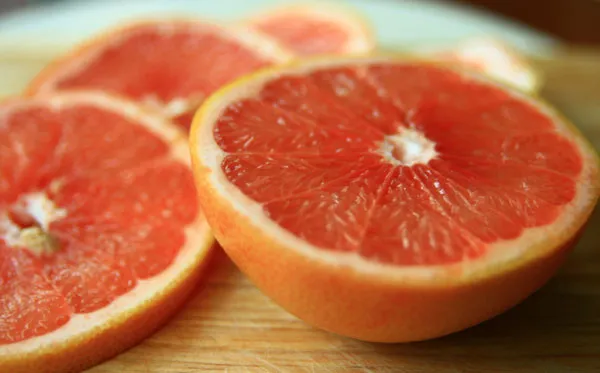
The antioxidant responsible for grapefruits' bitter taste may cause the liver to break down fat and increase body cells' sensitivity to insulin, according to a new study.
Naringenin, a chemical found in grapefruit and in other citrus fruits, activates proteins called nuclear receptors that cause the liver to break down fatty acids, study researchers from Hebrew University of Jerusalem and Massachusetts General Hospital in Boston said in a statement.
These same changes can occur naturally when fasting for long periods of time, according to the researchers.
The natural antioxidant is mimicked by drugs that lower lipids and are used to treat diabetes. This could mean the compound has potential to be used as a dietary supplement for treating Type 2 diabetes and metabolic syndrome, which is group of conditions such as high blood pressure and elevated insulin levels that occur together and increase a person's risk of heart disease, stroke and diabetes.
"Remarkably, naringenin is a dietary supplement with a clear safety record," said study researcher Yaakov Nahmias of Hebrew University. "Evidence suggests it might actually protect the liver from damage."
The antioxidant has also been shown to lower cholesterol and ameliorate symptoms of diabetes.
The findings were published in August in the journal PLoS ONE.
Get the world’s most fascinating discoveries delivered straight to your inbox.
