













Manganese May Thwart Deadly E. Coli Infections

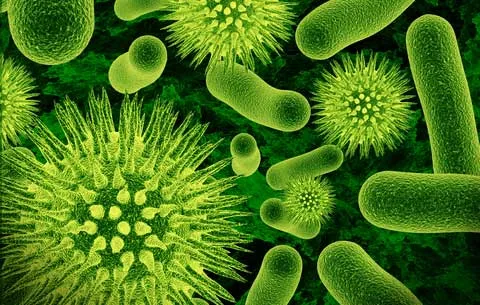
The element manganese might prevent the serious effects of some E. coli infections, a new study suggests.
In the study, mice exposed to lethal doses of Shiga toxin, a compound made by E. coli and other bacteria, suffered no ill effects of the toxin if they had been treated with manganese.
Shiga toxin can cause symptoms ranging from mild intestinal disease to kidney failure. Last year's outbreak of food-borne illness in Germany, which resulted in more than 30 deaths, involved E. coli that produced Shiga toxin.
Though the study was done in mice, the researchers said manganese may be effective at treating Shiga toxin infections in humans, which afflict more than 150 million people each year, many in the developing world.
"Manganese is inexpensive," said study researcher Adam Linstedt, professor of biological sciences at Carnegie Mellon University in Pittsburgh."An inexpensive, accessible treatment — not a designer drug — is the ideal solution, because Shiga toxin infections plague so many people in developing nations, he said.
Manganese can be toxic at high doses, the researchers cautioned. The doses used in the study were low enough that they didn't have any side effects on the mice.
Previous research has shown that Shiga toxin wreakshavoc on cells because it has found a way to avoid being degraded by the in the cell's trash bin, called the lysosome.
Get the world’s most fascinating discoveries delivered straight to your inbox.
In the new study, the researchers found that manganese counteracts this mechanism, causing the Shiga toxin to be sent to the lysosome and dismantled.
In experiments on cells growing in lab dishes, manganese treatment yielded an almost 4,000-fold increase in the amount of Shiga toxin required to induce cell death.
In a mouse experiment, mice exposed to a high dose of Shiga toxin and treated with nontoxic doses of manganese were 100 percent resistant to the toxin. Those not treated with manganese died within three to four days.
The researchers said that manganese could be used in conjunction with antibiotics. Currently, if an infected person is given an antibiotic, the antibiotic kills the bacteria that produce the toxin. This releases the toxin in larger amounts, and causes a high percentage of patients to die.
Linstedt said manganese could be used to block the toxin when antibiotics are given to kill the bacteria, making for an extremely effective therapy.
The study will be published tomorrow (Jan. 20) in the journal Science.
Pass it on: Manganese could be a treatment for illness caused by Shiga toxin.
This story was provided by MyHealthNewsDaily, a sister site to LiveScience. Follow MyHealthNewsDaily on Twitter @MyHealth_MHND. Find us on Facebook.
