













Sleep May Worsen Traumatic Memories

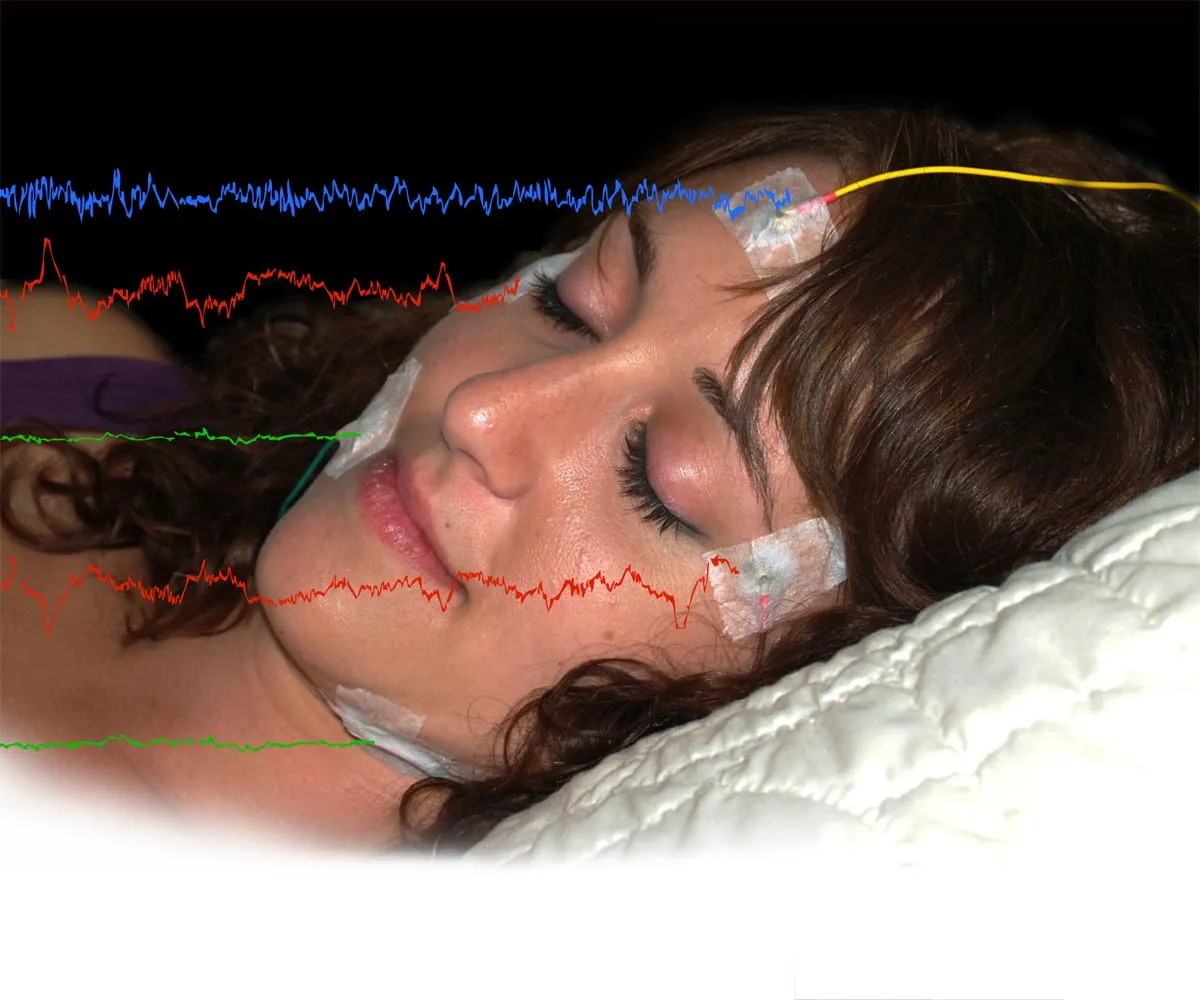
Sleep may not always be the best medicine. Taking a snooze shortly after witnessing a traumatic event may preserve, and even strengthen, the negative emotions tied to that unpleasant memory, a new study suggests.
Researchers showed study participants a series of images, some highly unpleasant, some neutral. Participants who slept shortly after viewing the images were more likely to rate them just as disturbing — if not more so — when they saw the images again, compared with participants who stayed awake. The results contrast with previous research suggesting that sleep, being an overall beneficial activity, reduces the negative emotional tone of a memory.
The study could have profound implications for preventing post-traumatic stress disorder, the researchers said.
"From a clinical standpoint, insomnia following trauma might not necessarily be bad," said study lead author Rebecca Spencer, a psychologist at the University of Massachusetts Amherst. "It may be the appropriate biological response and might help you forget something traumatic."
Forgetting negative memories
Previous studies have shown that sleep helps lock in long-term memories, and some researchers have proposed shut-eye also regulates our emotional responses to events. A 2009 study suggested that the negative emotional tone of a memory lessens after sleep.
While scientists assumed that the brain consolidates memories and ties an emotional response to them at once, the actual connection between the two phenomena hasn't been explored until now.
Get the world’s most fascinating discoveries delivered straight to your inbox.
For the new study, Spencer and her colleagues recruited 106 volunteers ages 18 to 30 and showed them 30 negative and 30 neutral pictures. One of the most negative pictures, Spencer told LiveScience, was "a gruesome scene from a war-torn country that you'd see on the evening news." One of the neutral pictures, on the other hand, depicted a man reading a newspaper.
After seeing a picture for a second, the participants rated how happy and how aroused (calm or excited) it made them feel, both on scales from 1 to 9. Twelve hours later, the researchers mixed 120 new pictures in with the original batch and again had the volunteers rate the pictures, this time also asking them if they remembered seeing the picture before.
To test how sleep would affect these memories and associated emotional responses, the researchers divided 82 of the volunteers into two groups. The "sleep" group had their first session of rating negative and neutral images at night and their second session in the morning after waking up; they were also hooked up to a device to record how much time they spent in the different stages of sleep. The "wake" group had their first session in the morning and their second session at night, and they were not allowed to take naps or consume alcohol during the day.
To rule out that the possibility that time of day was having an effect on the participants' memory performance, the researchers assigned the remaining 24 people to "morning" and "evening" groups where the two sessions were only 45 minutes apart.
Spencer and her team found that sleep improved the participants' recollection of both negative and neutral images. Moreover, people in the sleep group found the unsettling images in the two sessions equally disturbing, while the wake group found the images less disturbing the second time around. "Sleep protected their emotional reactivity," Spencer said, meaning it helped to seal in those negative emotional responses.
The researchers also learned that the amount of REM sleep — a sleep stage frequently associated with dreaming— the participants got didn't affect how well they remembered the pictures, but it did affect their emotional reactions to the pictures: Participants with the most REM sleep rated the pictures even more unsettling their second time seeing them.
"Because REM is associated with emotional responses and not memory, it makes us think that sleep is really performing independent processes," Spencer said.
Not so clear-cut
The researchers believe that sleep's "protection" of emotional responses may have evolutionary roots. "If somebody or something attacks you, you want to remember the emotions you felt so that you can avoid them," Spencer explained. But today, this ability may be a hindrance — if you're a war veteran, for example, you likely don't want to remember each and every enemy you came across while in service.
"So there are obvious implications for PTSD," Spencer said. "Should we have people sleep or should we sleep deprive them?"
Stephan Hamann, who studies the relationship between sleep, memory and emotion at Emory University in Georgia, said that the answer to that question is not clear-cut. "[The researchers] essentially didn't find what another study has found," Hamann, who was not involved with the research, told LiveScience. Very little research has been devoted to teasing out the relationship between sleep and emotional memory, but the new study will stimulate more interest in the topic, he added. [5 Fun Facts About Sleep]
Spencer is now looking to see what effects sleep may have on positive emotional memories.
Even though it's still not clear if sleep reduces or enhances the emotional tone of a memory, Hamann notes that the study did show that sleep improves memory, even for those memories that aren't emotionally charged. 'It reinforces the idea that sleep is generally beneficial," he said.
The study is published Jan. 18 in The Journal of Neuroscience.
