













Flu Pandemics Linked to Ocean's Cooling Cycle

Flu pandemics have been linked to fluctuations in climate, and new research connects the world's four most recent pandemics to the cyclical cooling of the Pacific Ocean near the equator.
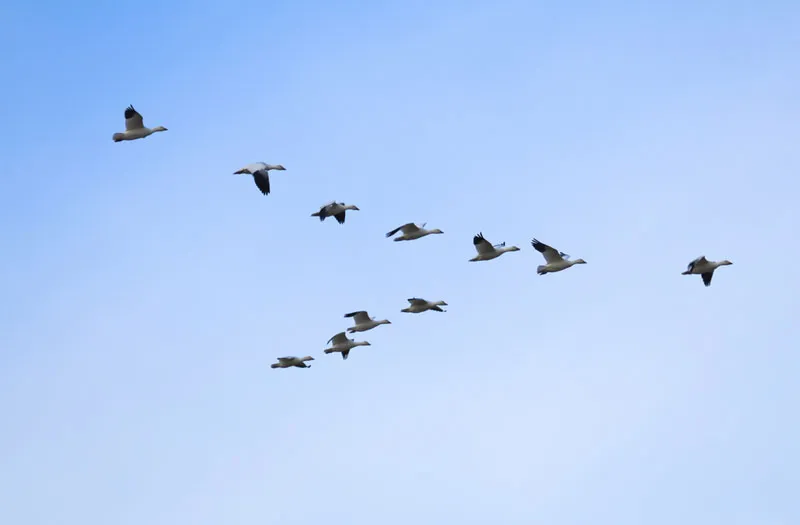
The connection? Changes in ocean temperature affect migrating birds, which are major contributors to the spread and mixing of flu viruses.
An earlier study had linked flu pandemics to ocean warming, rather than cooling, but public health researchers Jeffrey Shaman of Columbia University and Marc Lipsitch of Harvard University dispute these findings, saying this analysis relies on flawed data, such as records of older pandemics and climate fluctuations, which are less precise and reliable.
The researchers found that the four flu outbreaks that swept the world in the past 100 years — in 1918, 1957, 1968 and 2009 (in this last instance, the H1N1 "swine flu") — followed a fall or winter when sea-surface temperatures sank abnormally low. This cooling is associated with La Niña, a phase in a larger climate pattern. La Niña is the cool counterpart to El Niño, which is marked by unusually warm temperatures in the equatorial Pacific; both alter weather patterns around the globe.
There are three types of influenza viruses. One of them, type A, is naturally carried by wild aquatic birds. Type A viruses, which include swine flu, can infect not only people but other mammals, such as pigs and dogs, as well as other birds, according to the United States Centers for Disease Control and Prevention.
The long flights and many stopovers made by migratory birds turn these viruses into globe trotters and allow them to mix with each other. This process, called re-assortment, occurs when an animal or person carries multiple strains of the virus that swap genetic information. It can lead to the emergence of new viruses that are potentially capable of causing pandemics. "We know that pandemics arise from dramatic changes in the influenza genome. Our hypothesis is that La Niña sets the stage for these changes by reshuffling the mixing patterns of migratory birds, which are a major reservoir for influenza," said Shaman in a press release issued by Columbia University's Mailman School of Public Health.
Previous research showed the El Niño/La Niña climate pattern affects the health and behavior of migratory birds, including their population density and flight and stopover patterns, the researchers noted in their study.
Get the world’s most fascinating discoveries delivered straight to your inbox.
The researchers note that the 2009 pandemic is believed to have arisen from swine flu viruses. It is possible birds carried one or more of the ancestors of the 2009 pandemic virus, they write Monday (Jan. 16) in the journal the Proceedings of the National Academy of Sciences.
Their results contradict earlier research that showed a link between flu pandemics and moderate to strong El Niño events.
Flu isn't the only misery that has been linked to fluctuations in this climate cycle. Past research has connected El Niño to civil conflict, and La Niña to drought that gripped Texas, Oklahoma and parts of New Mexico.
You can follow LiveScience senior writer Wynne Parry on Twitter @Wynne_Parry. Follow LiveScience for the latest in science news and discoveries on Twitter @livescience and on Facebook.
