













Alternative Medicine Threatens Beasts with Extinction

Narok, Kenya—Ambitious travelers on African safari usually hope to spot what have long been known as "The Big Five" -- lions, elephants, leopards, rhinoceroses and buffaloes.
This is also true for visitors to the Maasai Mara game park in East Africa. However, while four of the five are relatively plentiful, safari guide Moses Maura often has to break the news to disappointed guests: the once-common rhinos are rare, and several species are all but extinct.
"There are a few," Maura said. "But the animals are shy, and most have been killed. Not for food but for medicine."
Poachers target the African Black Rhino for their horns, believed by some to have curative and aphrodisiac qualities. Throughout Asia, the penises of various animals, including tigers, rhino and bear, are sold in folk medicine shops to help with male virility.
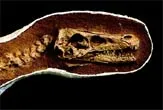
It was recently reported that villagers in the Henan province of China have for generations boiled dinosaur bones in soup, believing that the fossils are the remains of dragons and therefore have healing powers. Alternative medicines thrive in China, partly because many people, especially in rural areas, have poor access to modern medical doctors.
While there's no danger of dinosaurs (or dragons) becoming extinct, few people realize that some "folk remedies" and alternative medicine cures are threatening endangered species across the globe. Rhino are among the hardest hit, but far from the only examples:
- Seahorse populations in the Philippines have dropped by half since the early 1990s, in part due to Chinese demand for dried seahorses, which are believed to help in the treatment of diseases including asthma and joint pain.
- Some traditional Chinese medicine uses tiger bones and claws, said to cure a variety of illnesses such as back pain, arthritis and fatigue. The tiger bones can fetch more than $200 per pound, making some of the huge, beautiful cats worth more dead than alive.
There is no good evidence that any of these animal body parts do what they are believed to do, but old beliefs die hard. While many people believe that alternative medicines are safer and more "natural" than mainstream medicine, most such remedies have not been proven effective in controlled medical testing.
Get the world’s most fascinating discoveries delivered straight to your inbox.
In his book "The Devil's Chaplain," Oxford University's Richard Dawkins states: "There is no alternative medicine. There is only medicine that works and medicine that doesn't work."
On occasion, medicines that work help reduce the demand for medicines that don't: David Stryker, a New Mexican physician on safari at the Kenyan game park, noted that one unintended consequence of Viagra is that it has slowed the poaching of rhinos and other endangered species.
If people choose to take unproven alternative medicines, it is not only themselves who are put at risk, but also our planet's biodiversity.
Benjamin Radford is managing editor of Skeptical Inquirer science magazine and author of hundreds of articles and several books, noted on his website. He is LiveScience's Bad Science Columnist.
- Top 10 Aphrodisiacs
- Top 10: Good Food Gone Bad
- The Most Popular Myths in Science
