














Why New York City Was Lucky
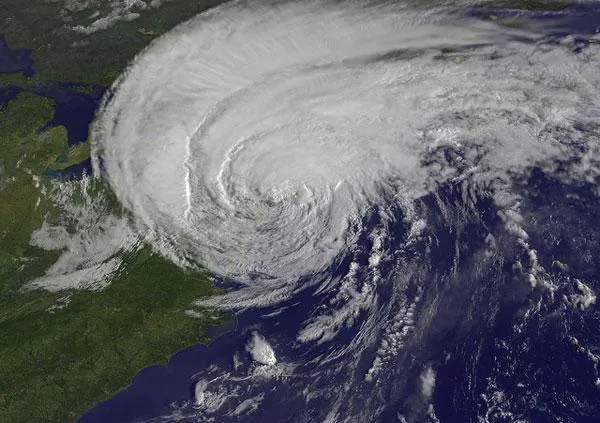
New York City largely dodged a bullet as Hurricane Irene did relatively little damage to the city. The same can't be said for areas further inland, such as Vermont and upstate New York, which are battling historic flooding.
In New York City, where transit was shut down citywide and coastal residents were evacuated for the first time ever, the storm surge pushed water onto low-lying areas and trees were felled — far from a worst-case scenario.
Just before the storm hit the city, it weakened and accelerated northeast. Irene was a tropical storm by the time it made landfall with the relatively calmer parts of the storm passing over the city. But New York City wasn't the only place in Irene's path. Towns all around the Big Apple show what might have been.
Rains and flooding
From North Carolina to Vermont, Irene killed at least 27 people, forced 2.4 million people to evacuate and caused billions of dollars in damage, according to news reports. The big problem was not hurricane strength winds, but heavy rains and massive flooding.
"Irene did about what was expected from the forecasts," said atmospheric scientist Eugene McCaul, of NASA's Marshall Space Flight Center in Huntsville, Ala. "The rainfall was probably the biggest threat, partly because most ofthe East and New England have had a very wet August even before Irene's onslaught."
Flooding in Lodi, N.J., was caused by Irene dumping torrential rains on already saturated soils. According to the New Jersey State Climatologist, some places in the state received half their yearly rainfall in August alone, reported Climate Central.
Get the world’s most fascinating discoveries delivered straight to your inbox.
Flooding is still ongoing in upstate New York; some rivers have not having yet crested, and tens of thousands are without power, reported WNYC.
"What happened in the mid-Hudson and the Catskills was the higher bands of rain hit New York," said Gov. Andrew Cuomo in a press conference today (Aug. 29). Irene's massive size, hundreds of miles wide, and slow velocity, inundated the state for nearly a full day.
Major damage
Irene dumped six to 10 inches (15 to 25 centimeters) of rain across New England. Nearly every major Vermont highway was damaged from Irene's heavy rains, reported Vermont Public Radio. The flooding is the worst for that state in 73 years, according to the Weather Channel. Four to six of the state's famous covered bridges were destroyed, according to Vermont's Emergency Management Department. [In Photos: Hurricane Irene's Fury]
One contributor to Vermont's extreme floods is also one of the state's iconic attractions: mountains. Higher rates of rain fall there, which is then channeled into valleys, agitates rivers that aren't ready for the gush of water, said Jeff Weber, an atmospheric scientist at the University Corporation of Atmospheric Research, in Boulder, Colo.
"Mountainous terrain always exacerbates flooding for both those reasons," Weber told OurAmazingPlanet.
New York City, at least, can breathe a sigh of relief. The outcome of the storm could have been very different.
- History of Destruction: 8 Great Hurricanes
- Infographic: Storm Season! How, When & Where Hurricanes Form
- Storm Targets: Where the Hurricanes Hit