













Ancient Egyptian City Spotted From Space

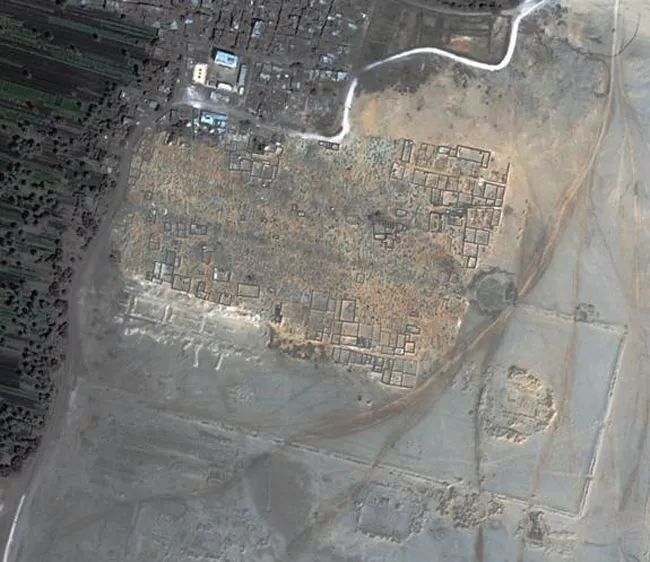
Satellites hovering above Egypt have zoomed in on a 1,600-year-old metropolis, archaeologists say.
Images captured from space pinpoint telltale signs of previous habitation in the swatch of land 200 miles south of Cairo, which digging recently confirmed as an ancient settlement dating from about 400 A.D.
The find is part of a larger project aiming to map as much of ancient Egypt's archaeological sites, or "tells," as possible before they are destroyed or covered by modern development.
"It is the biggest site discovered so far," said project leader Sarah Parcak of the University of Alabama at Birmingham. "Based on the coins and pottery we found, it appears to be a massive regional center that traded with Greece, Turkey and Libya."
Another large city dating to 600 B.C. and a monastery from 400 A.D. are some of the four hundred or so sites that Parcak has located during her work with the satellites. The oldest dates back over 5,000 years.
Egypt contains a wealth of already identified archaeological tells like these, but even they represent only about 0.01 percent of what is out there still uncovered, Parcak said.
Most of the ancient settlements still buried are at risk of being lost to looting and urban sprawl. Residential sites, where the Egyptian empire's millions of citizens lived during its heyday, are especially vulnerable, archaeologists say.
Get the world’s most fascinating discoveries delivered straight to your inbox.
"There are thousands of settlements that Egyptians don't even know are there," Parcak told LiveScience. "Nothing will ever destroy the Pyramids or the Temple of Luxor, but these huge settlement sites where we get a lot of information are being threatened. And that's how we find out how people lived."
The satellite technology lets archaeologists such as Parcak—the first to use space imagery in Egypt—identify points of interest on a large scale.
"Basically, I'm trying to distinguish the ancient remains from the modern landscape," she said. "A site is going to appear very differently from space." Archaeological sites absorb moisture in a different way, she explained, and tend to be covered with specific types of soil and vegetation.
The subtle differences would take much longer to identify on the ground, said Parcak, so Egypt's government uses her catalog to identify sites and excavate there before development takes over and destroys the site for good.
- Ancient Mayan Canals Possibly Spotted in Satellite Images
- 21st Century Robot Searches For Pre-Historic Event
- Observing Earth: Amazing Views From Above
