
-
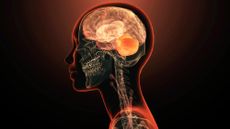 Is the brain actually 2 nervous systems smooshed together? A new study claims it is.
A recent study may reshape our understanding of brain evolution and open new avenues for studying neurological diseases.
neuroscience -
 Chronic back pain may activate an unexpected brain network, study finds
Movement-induced flares in chronic back pain activate brain regions involved in self-reflection, suggesting chronic pain may be processed differently than acute pain.
neuroscience -
 Could psilocybin treat brain injuries? Neuroscientist explains how psychedelics could fill a gap in head trauma care
Interview Live Science spoke with neuroscientist Argel Aguilar-Valles about recent research exploring psychedelics as a treatment for mild head trauma.
Interview -
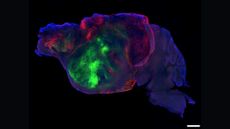 Scientists shrank mice's brains and replaced the missing tissue with human 'organoids'
Scientists have devised a new way to incorporate human brain tissue into living mice, opening the door to new research.
neuroscience -
 Brain shrinkage tied to aging 'pauses' as a woman nears menopause, study finds
A new study looked at gray matter in the brain during puberty, pregnancy and menopause, finding distinct changes at different life stages.
neuroscience -
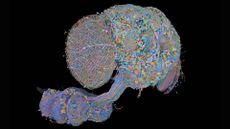 New map of a male fly central nervous system includes all 166,000 neurons — and enables direct comparisons to female fly brain
A new map of the adult male fruit fly brain and nerve cord includes over 166,000 neurons and the millions of connections between them.
neuroscience -
 Is the NFL doing enough to protect athletes from head injuries?
Poll A new study hinted that at least 25% of former NFL players who died in recent years had CTE. Do you think the league is doing enough to prevent this in its current athletes?
Poll -
 Concussion expert explains why viral CTE study may not be as scary as it sounds
Interview A new study suggests that at least 1 in 4 former NFL players who died in recent years had CTE. Concussion expert Thayne Munce puts the finding into context.
Interview -
 Neuroscientist Steve Ramirez studies the physical basis of memory in a quest to manipulate it
Interview Steve Ramirez, a neuroscientist and author of "How to Change a Memory," tells editor Hannah Osborne about the science and ethics of memory manipulation, and the incredible power of our brains to recall our past.
Interview


