

Find out everything there is to know about babies and stay updated on the latest news with comprehensive articles, interactive features and baby pictures at LiveScience.com. Learn more about babies as they grow.

-
 Pregnancy quiz: Can you deliver on the science of growing babies?
How much do you know about pregnancy? Take our quiz to find out.
reproductive-health -
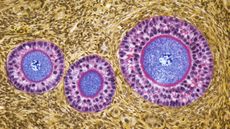 Could aging eggs be 'rejuvenated'? New tool may help pave the way to fertility-extending treatments
Scientists invented a new experimental system to study how age-related changes in egg cells make them more prone to chromosomal errors.
reproductive-health -
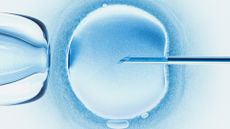 First baby conceived with remotely operated 'automated IVF' has been born
Performed remotely in Mexico by engineers and embryologists in New York, an automated fertility treatment resulted in conception and, more recently, a live birth.
2 Commentsreproductive-health -
 Are cats and dogs smarter than babies?
It's possible to compare some aspects of animal and human intelligence, but not all researchers like to.
animals -
 New RSV drug for babies is over 90% effective at preventing hospitalization
In a new study, the RSV drug nirsevimab was 93% effective at preventing young children from being hospitalized for the respiratory infection.
viruses-infections-disease -
 Cats are better at word association than human babies are, study finds
Cats are quicker than babies to associate a picture of a word with its corresponding picture, new research shows.
cats -
 Which animal can have the most babies at one time?
How many offspring an animal can have depends on many factors, such as whether they're aquatic and how they get around.
animals -
 Who should get the new RSV vaccines? Here's everything you need to know
There are now RSV vaccines approved for older adults and for pregnant people, and antibody shots (not vaccines) available for babies. What's the difference?
medicine-drugs -
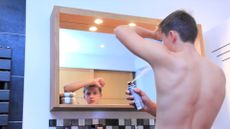 Chemicals that make babies smell sweet and teens smell 'goat-like' revealed
Aroma researchers worked out which chemicals in body odor differ between infants and teens who have hit puberty.
aging


