













Squid Power: Propulsion Systems Modeled on Nature

Squid, jellyfish and other cephalopods are thought to be pretty efficient at getting around. So scientists are copying their natural designs in new "vortex generators" that might make underwater vehicles more versatile.
The research could also lead to nifty self-propelled tiny capsules with jet thrusters that could be coming soon to a digestive tract near you.
One of these new propulsion systems was unveiled this week at the American Geophysical Union's annual fall meeting in San Francisco.
"Reliable docking mechanisms are essential for the operation of underwater vehicles, especially in harsh environments," said Kamran Mohseni, an assistant professor of aerospace engineering sciences at the University of Colorado at Boulder. "We set out to resolve the trade off that many researchers settle for, which is a faster, but less precise, vehicle or a boxier one that is not as fast and more difficult to transport to work locations."
Manned and unmanned underwater vehicles can explore undersea volcanoes or the frigid depths beneath pack ice in the North and South poles. Torpedo-shape vehicles are fast, but they're typically tough to maneuver or dock at low speeds and in tight spaces, or to hover in precise locations. Underwater craft with boxier designs are easier to dock and maneuver, but speed is sacrificed in the process.
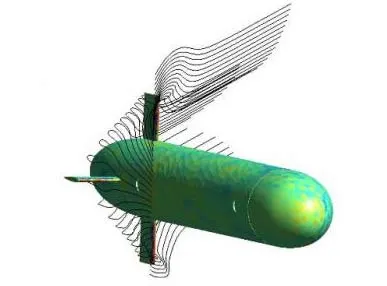
The new vortex thrusters [image] offer speed and versatility, Mohseni and colleagues say.
The thrusters are modeled after vortex rings, much like those formed by squid and jellyfish to move themselves underwater. Vortex rings are formed when a burst of fluid shoots out of an opening, moving in one direction and spreading out as it curls back.
Get the world’s most fascinating discoveries delivered straight to your inbox.
In a test, the latest model successfully accomplished parallel parking underwater.
Eventually, the technology might allow doctors to guide tiny capsules with jet thrusters through the human digestive tract, enabling them to diagnose disease and dispense medications, the researchers said.
