













Why Fiber is Healthy: Because It Damages Our Insides

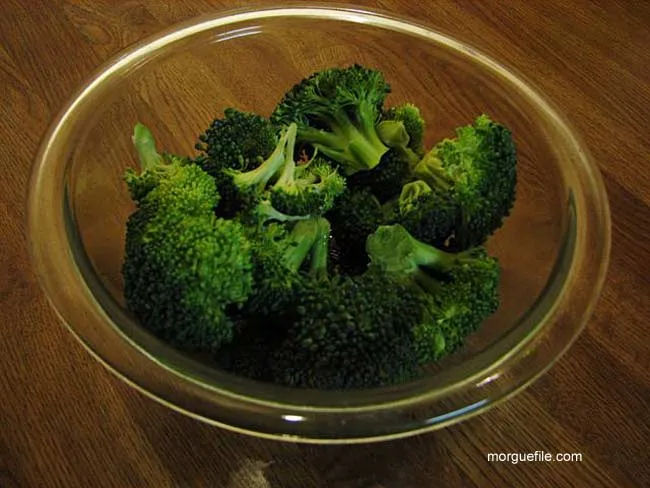
Fiber helps keep us "regular" by banging up against the gastrointestinal tract and tearing cells, which release mucus that helps us, well, go, scientists reported today.
The frequent injury of cells and their subsequent repair cause more mucus production, which eases food through the pipes and provides protection for the cells themselves.
"It's a bit of a paradox, but what we are saying is an injury at the cell level can promote health of the GI tract as a whole," said study co-author, Paul L. McNeil, cell biologist at the Medical College of Georgia. "These cells are a biological boundary that separates the inside world, if you will, from this nasty outside world. On the cellular scale, roughage, such as grains and fibers that can't be completely digested, are a mechanical challenge for these cells."
In a previous study, McNeil showed that cells with internal membranes combat damage to their outer membranes through mucus. When a cell's outer membrane tears, calcium, lethal in large doses, from outside the cell rushes in.
At a first hint of calcium, internal mucus-filled compartments of the epithelial cells, which line inside of our cavities, fuse together to patch the tear. They also get rid of extra mucus, which lubricates the GI tract [image].
The study was published online yesterday and will printed in the September issue of journal PloS Biology.
Previous studies showed that failure to repair potentially lethal outer membrane injuries can result in certain kinds of muscular dystrophy.
Get the world’s most fascinating discoveries delivered straight to your inbox.
"We have found a very natural way we can enhance mucus production," said study lead author Katsuya Miyake, cell biologist at the Medical College of Georgia.
- Colon Cleansing: Money Down the Toilet
- Bacteria Thrive in Hostile Human Bellies
- The Most Popular Myths in Science
- Top 10 Mysterious Diseases
