













Stunning natural wonder

Rainbow Bridge, a 300-foot-tall (91 meter) natural arch carved from sandstone in Utah, vibrates as a result of both natural and manmade movements, new research has found.
Seismic tracking

Rainbow Bridge is venerated by many tribal groups in the area, but University of Utah geophysicist Jeff Moore received permission to place seismic sensors on and around the arch to understand how it moved.
Sensors placed

The seismic sensors revealed that the bridge usually hums at a low rate. But other factors can cause bigger vibrations.
Whipping waves
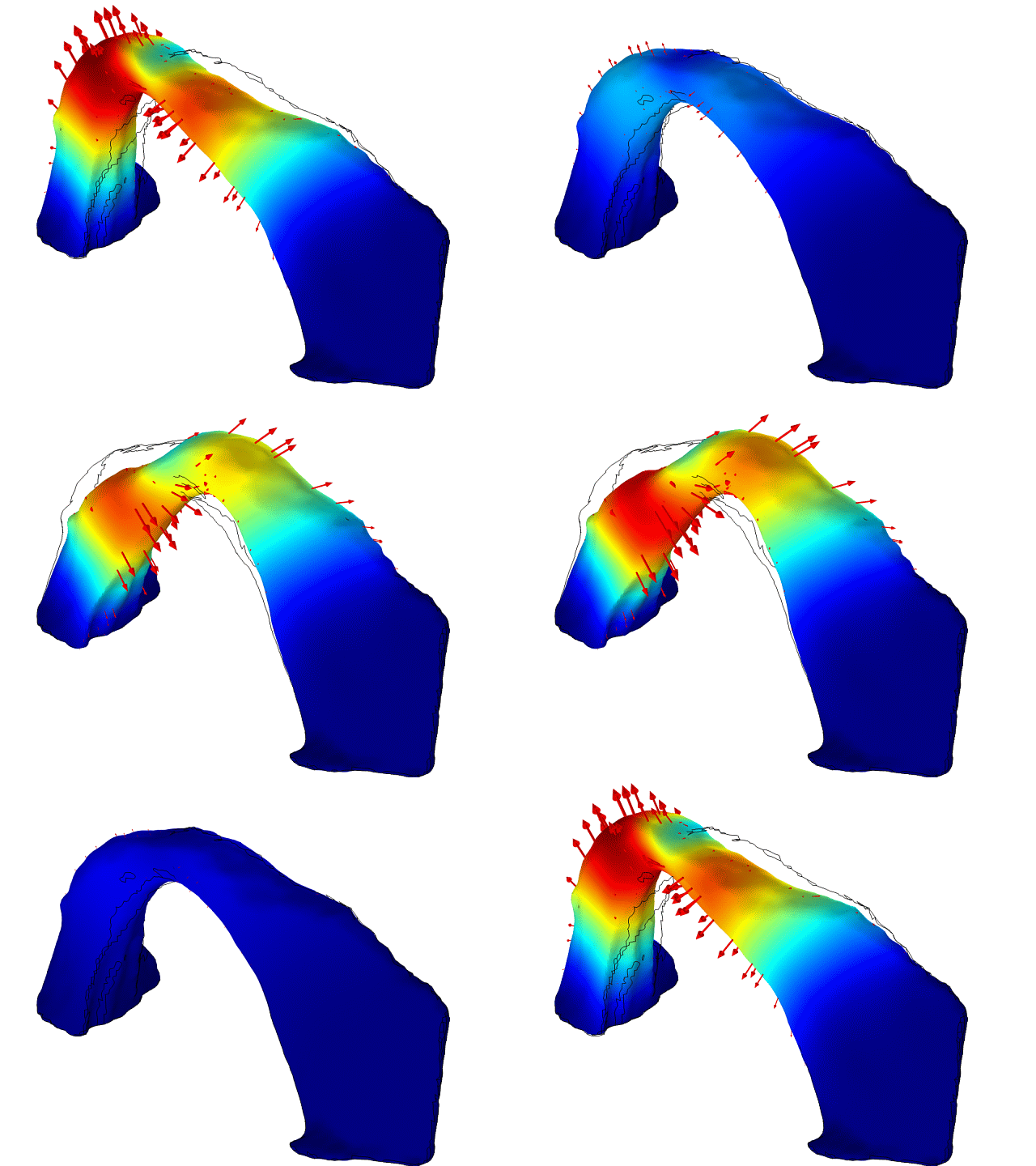
For instance, waves on Lake Powell seem to cause movements at the same frequency in Rainbow Bridge.
Earthquake oscillations
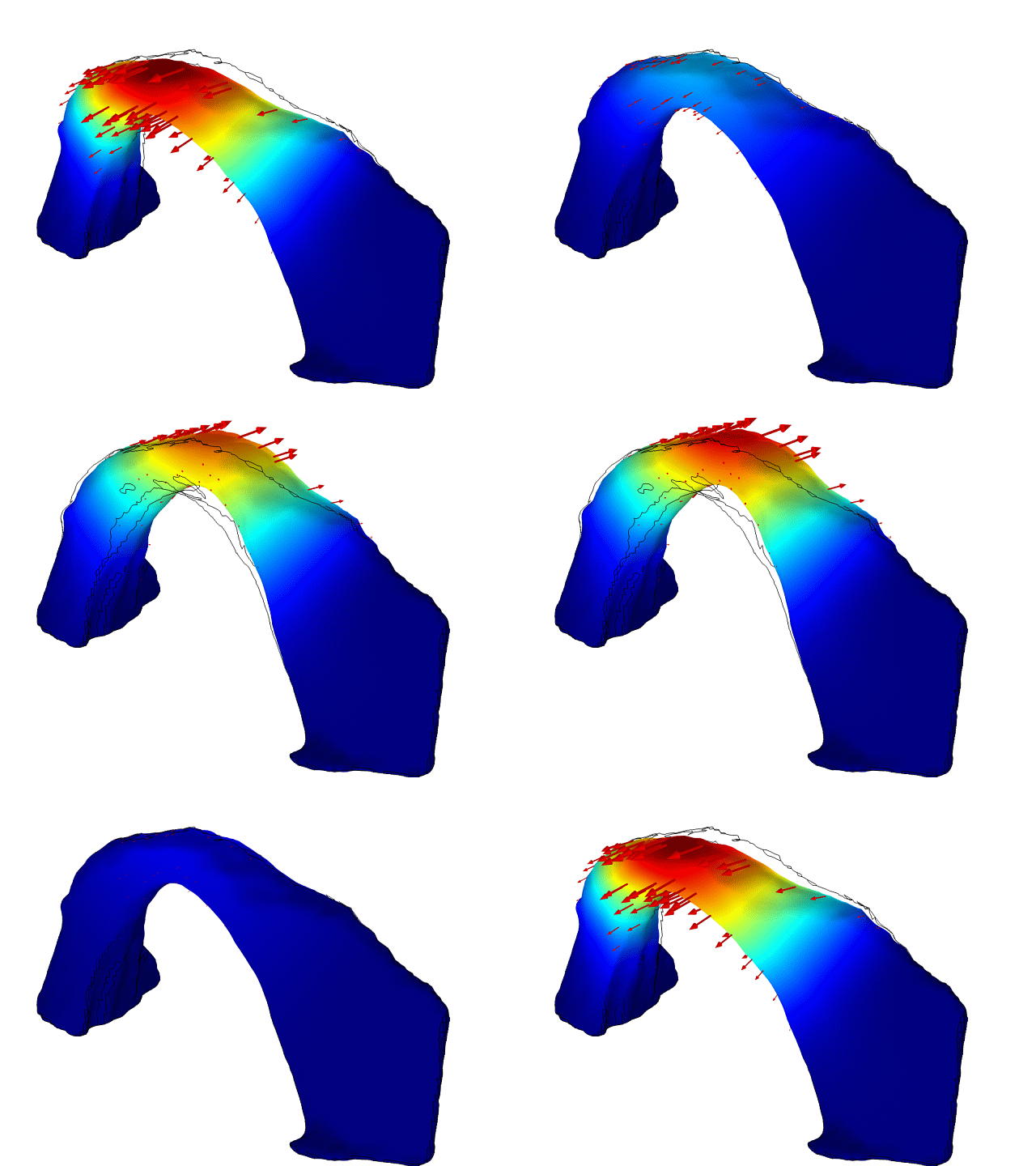
Earthquakes can also cause movement in the natural arch. Here, another vibrational mode of the arch.
Manmade impacts
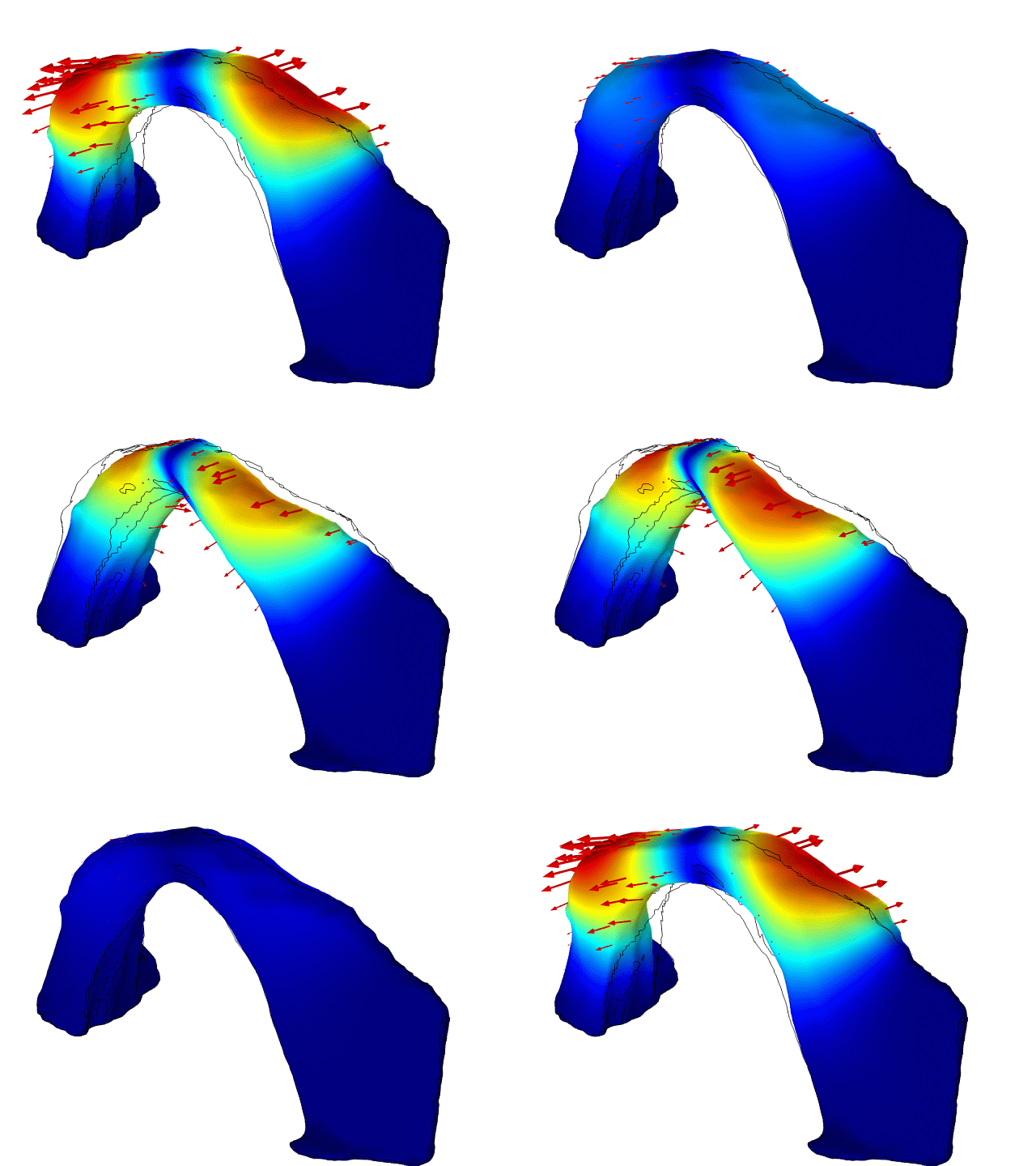
The researchers found that a manmade earthquake as far away as Oklahoma also caused motion in the natural bridge. However, it's not clear how this human-induced motion compares to the motion caused by the wind, researchers said.
Get the world’s most fascinating discoveries delivered straight to your inbox.

Tia is the editor-in-chief (premium) and was formerly managing editor and senior writer for Live Science. Her work has appeared in Scientific American, Wired.com, Science News and other outlets. She holds a master's degree in bioengineering from the University of Washington, a graduate certificate in science writing from UC Santa Cruz and a bachelor's degree in mechanical engineering from the University of Texas at Austin. Tia was part of a team at the Milwaukee Journal Sentinel that published the Empty Cradles series on preterm births, which won multiple awards, including the 2012 Casey Medal for Meritorious Journalism.