Minnesota Bans Common Chemical in Antibacterial Soap
Get the world’s most fascinating discoveries delivered straight to your inbox.
You are now subscribed
Your newsletter sign-up was successful
Want to add more newsletters?
Delivered Daily
Daily Newsletter
Sign up for the latest discoveries, groundbreaking research and fascinating breakthroughs that impact you and the wider world direct to your inbox.
Once a week
Life's Little Mysteries
Feed your curiosity with an exclusive mystery every week, solved with science and delivered direct to your inbox before it's seen anywhere else.
Once a week
How It Works
Sign up to our free science & technology newsletter for your weekly fix of fascinating articles, quick quizzes, amazing images, and more
Delivered daily
Space.com Newsletter
Breaking space news, the latest updates on rocket launches, skywatching events and more!
Once a month
Watch This Space
Sign up to our monthly entertainment newsletter to keep up with all our coverage of the latest sci-fi and space movies, tv shows, games and books.
Once a week
Night Sky This Week
Discover this week's must-see night sky events, moon phases, and stunning astrophotos. Sign up for our skywatching newsletter and explore the universe with us!
Join the club
Get full access to premium articles, exclusive features and a growing list of member rewards.
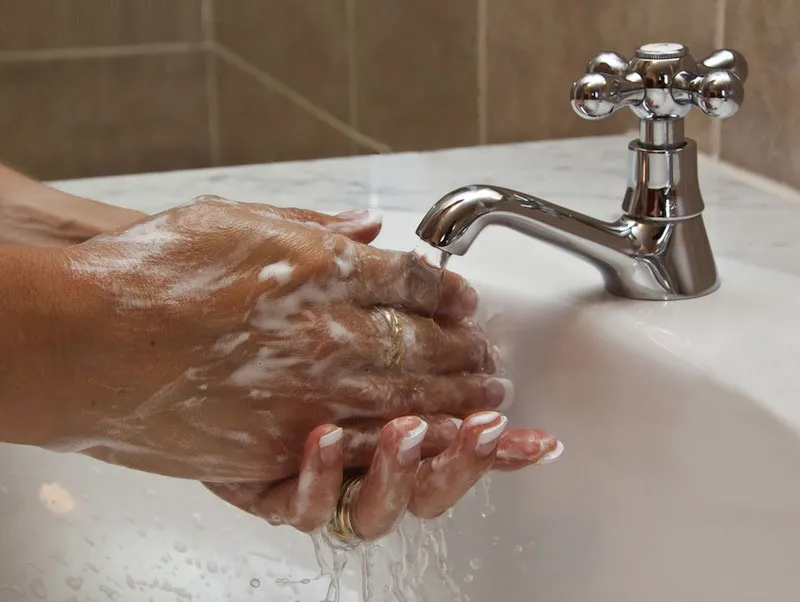
Minnesota is the first state to pass a law banning the chemical triclosan, which is widely used in antibacterial soaps and body washes.
The ban was signed into law on Friday (May 16), and will go into effect in January 2017, according to the office of Minn. Governor Mark Dayton.
Triclosan is an antibacterial chemical found in many hygiene products, including soaps and body washes, and toothpastes, according to the Food and Drug Administration. Some animal studies have suggested that triclosan may affect hormones in the body, and there is additional concern that the chemical contributes to the rise of antibiotic resistance, the FDA says.
The FDA is currently reviewing the safety of triclosan. In December, the agency issued a proposal that would require companies that make antibacterial products to show their products are safe and more effective than plain soap. If makers could not show this, then they would need to reformulate their products to remove the antibacterial chemicals, the proposal said.
Get the world’s most fascinating discoveries delivered straight to your inbox.

Rachael is a Live Science contributor, and was a former channel editor and senior writer for Live Science between 2010 and 2022. She has a master's degree in journalism from New York University's Science, Health and Environmental Reporting Program. She also holds a B.S. in molecular biology and an M.S. in biology from the University of California, San Diego. Her work has appeared in Scienceline, The Washington Post and Scientific American.