













Fake-ID Use Is Common, Fuels Underage Drinking

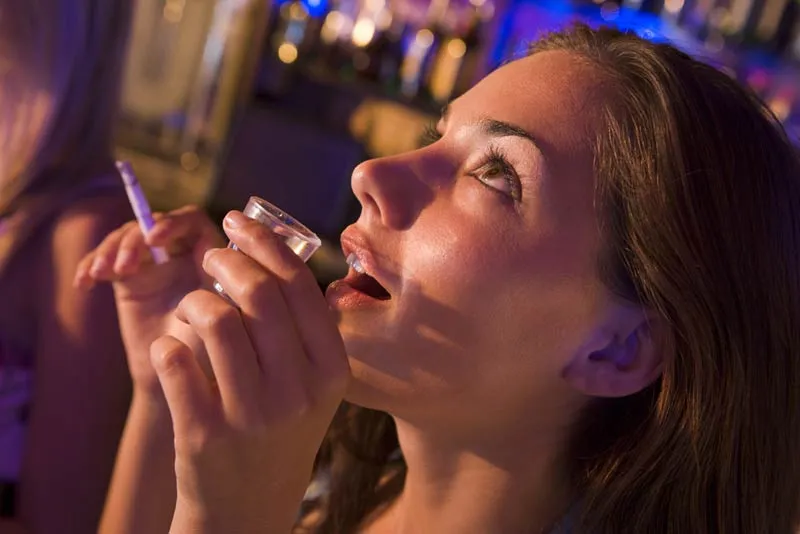
Underage college students who use fake IDs to get alcoholic drinks end up drinking more frequently, which may put them at higher risk for developing alcohol-use disorders later in life, researchers say.
In a study of about 1,000 college students at a U.S. university, the researchers found that almost two-thirds of the study participants had used false IDs to buy alcohol at least once during college.
On average, students used fake IDs about 25 percent of the time they drank alcohol before they turned 21, the legal drinking age in the United States. (Other times, the students obtained alcoholic drinks through legal-age friend or family members.) The more frequently the students used fake IDs, the more often they drank, according to the study, published Thursday (Oct. 17) in the journal Alcoholism: Clinical & Experimental Research.
"Alcohol use is extremely prevalent among underage youth in the United States," said study researcher Amelia M. Arria, associate professor of behavioral and community health at the University of Maryland. "Alcohol is easy for most youth to obtain, and false IDs comprise one of the factors contributing to alcohol's easy accessibility."
In the United States, about 18 million people have alcohol-use disorders, which include alcohol dependence, also called alcoholism. In addition to genetics, risk factors for developing alcoholism include drinking on a regular basis and drinking at an early age.
The researchers also included other factors that might increase the risk for alcoholism, such as personality traits, parental alcohol problems and perception of how much drinking is considered normal.
The results showed a link between more frequent false-ID use and more frequent drinking, even after adjusting for these risk factors.
Get the world’s most fascinating discoveries delivered straight to your inbox.
Such easy access to alcohol may not only result in more frequent drinking, but also contribute to a vicious cycle that leads to high-risk drinking patterns.
"False-ID use might be adding fuel to the fire among students who are already high-risk drinkers," Arria said.
The findings highlight the importance of penalties for using false IDs, the researchers said. Reducing the use of false IDs should be a priority of policymakers, they said.
Email Bahar Gholipour. Follow LiveScience @livescience, Facebook & Google+. Original article on LiveScience.
