













Alcohol Abuse May Rewire Brain

New research on mice suggests heavy drinking may rewire the brain in a way that makes it harder for alcoholics bounce back from a traumatic experience.
In the study, a research team at the University of North Carolina (UNC) gave one group of mice heavy doses of alcohol (equivalent to twice the legal driving limit for humans) over the course of a month. Another group of mice was not given any alcohol and both groups were trained to fear the sound of a tone with mild electric shocks.
When the sound was repeatedly played without the shock, the mice in the control group eventually stopped being afraid of it. But the mice made alcoholics froze in place whenever they heard the tone, even when the threat of being shocked was long gone.
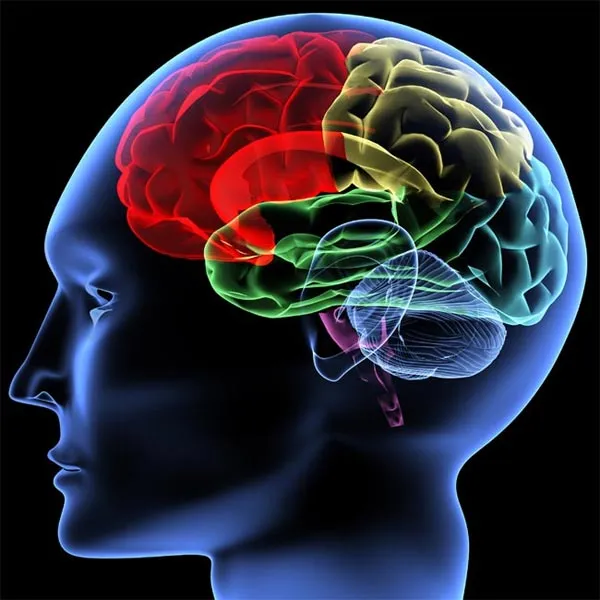
The researchers also looked at the brains of both groups. Compared with the control subjects, the alcohol-exposed mice had differently shaped nerve cells in the brain's prefrontal cortex and weakened activity of a key receptor, NMDA, the researchers found. Alcohol abuse might cause these specific changes in the brain, producing anxiety problems.
"Basically, our research shows that chronic exposure to alcohol can cause a deficit with regard to how our cognitive brain centers control our emotional brain centers," UNC researcher Thomas Kash explained in a statement.
The researchers drew similarities between this pattern and human patients with post-traumatic stress disorder (PTSD), who have trouble psychologically recovering from trauma and experience fear when real danger is no longer present.
The results of the study were published Sunday (Sept. 2) in the journal Nature Neuroscience.
Get the world’s most fascinating discoveries delivered straight to your inbox.
Follow LiveScience on Twitter @livescience. We're also on Facebook & Google+.
