Seagulls Get 'Drunk' on Flying Ants
Get the world’s most fascinating discoveries delivered straight to your inbox.
You are now subscribed
Your newsletter sign-up was successful
Want to add more newsletters?
Delivered Daily
Daily Newsletter
Sign up for the latest discoveries, groundbreaking research and fascinating breakthroughs that impact you and the wider world direct to your inbox.
Once a week
Life's Little Mysteries
Feed your curiosity with an exclusive mystery every week, solved with science and delivered direct to your inbox before it's seen anywhere else.
Once a week
How It Works
Sign up to our free science & technology newsletter for your weekly fix of fascinating articles, quick quizzes, amazing images, and more
Delivered daily
Space.com Newsletter
Breaking space news, the latest updates on rocket launches, skywatching events and more!
Once a month
Watch This Space
Sign up to our monthly entertainment newsletter to keep up with all our coverage of the latest sci-fi and space movies, tv shows, games and books.
Once a week
Night Sky This Week
Discover this week's must-see night sky events, moon phases, and stunning astrophotos. Sign up for our skywatching newsletter and explore the universe with us!
Join the club
Get full access to premium articles, exclusive features and a growing list of member rewards.
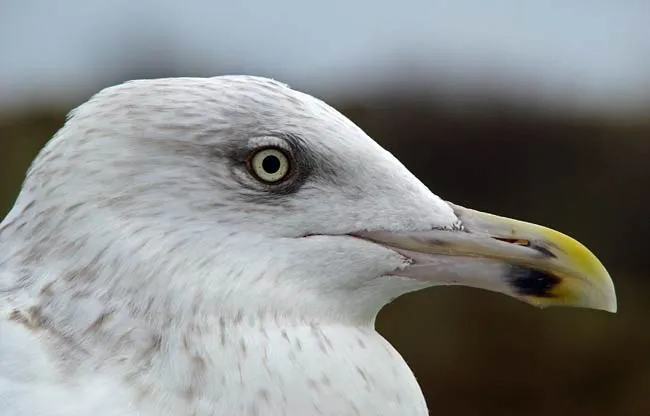
You won't like seagulls when they get a few ants in them. Seagulls in southwest England are getting "drunk" off of flying ants, brazenly stealing food out of residents' hands, flying directly into buildings and failing to get out of the way of cars, according to news reports.
Apparently the birds are becoming inebriated from the formic acid in the ants' bodies, which "lowers their inhibitions" and messes up their coordination, similar to the effects of alcohol, the Bristol Post reports. Hot weather has helped spawn large populations of ants, upon which the seagulls feed. "That isn't so good for the birds — it leaves them a bit drunk," Rebecca Nesbit, an entomologist with the Society of Biology, told the Bristol Post.

Formic acid is likely the reason for a strange bird behavior known as "anting," in which birds thrash around like, well, drunken birds, covering themselves in ants. The formic acid may help the birds repel parasites; "anting" may also help the birds to remove the formic acid before feasting upon the ants, according to a 2008 study in the journal Chemoecology.
Email Douglas Main or follow him @Douglas_Main. Follow us @livescience, Facebook or Google+.
Get the world’s most fascinating discoveries delivered straight to your inbox.