Climbers' Deaths at Volcano Serve as Reminder of Hazards
Get the world’s most fascinating discoveries delivered straight to your inbox.
You are now subscribed
Your newsletter sign-up was successful
Want to add more newsletters?
Delivered Daily
Daily Newsletter
Sign up for the latest discoveries, groundbreaking research and fascinating breakthroughs that impact you and the wider world direct to your inbox.
Once a week
Life's Little Mysteries
Feed your curiosity with an exclusive mystery every week, solved with science and delivered direct to your inbox before it's seen anywhere else.
Once a week
How It Works
Sign up to our free science & technology newsletter for your weekly fix of fascinating articles, quick quizzes, amazing images, and more
Delivered daily
Space.com Newsletter
Breaking space news, the latest updates on rocket launches, skywatching events and more!
Once a month
Watch This Space
Sign up to our monthly entertainment newsletter to keep up with all our coverage of the latest sci-fi and space movies, tv shows, games and books.
Once a week
Night Sky This Week
Discover this week's must-see night sky events, moon phases, and stunning astrophotos. Sign up for our skywatching newsletter and explore the universe with us!
Join the club
Get full access to premium articles, exclusive features and a growing list of member rewards.
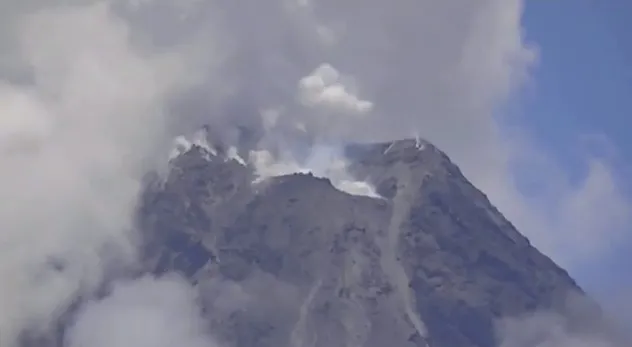
Five climbers were killed and seven were injured in the Philippines yesterday (May 6) when the volcano they were scaling suddenly exploded, according to news reports. The group was atop the turbulent Mayon volcano, an 8,077-foot-tall (2,462 meters) stratovolcano, which last erupted in 2010. There were no signs of an imminent eruption before the climb, according to Philippine Institute of Volcanology and Seismology (PHILVOCS), which monitors volcanic hazards. In fact, the volcano still remains at a zero alert level, with no earthquake activity.

The killer burst was likely a relatively unpredictable phreatic explosion, from water seeping into the volcano's magma chamber, then blasting out as steam (think of a geyser). The flare-up also sent a small ash column 1,600 feet (500 m) into the air, PHILVOCS said. The deaths highlight the danger of hiking and working on active volcanoes, whether for tourists or for scientists, volcanologist Erik Klemetti wrote on Wired's Eruptions blog. After a string of similar climbing fatalaties in the 1990s, the International Association of Volcanology and Chemistry of the Earth's Interior developed safety guidelines for researchers and the public working on active volcanoes.
Read more: Eruptions blog
Email Becky Oskin or follow her @beckyoskin. Follow us @OAPlanet, Facebook & Google+.
Get the world’s most fascinating discoveries delivered straight to your inbox.