 Live Science Plus



Lead Ammo Poisons Condors in Grand Canyon
You are now subscribed
Your newsletter sign-up was successful
Want to add more newsletters?

Delivered Daily
Daily Newsletter
Sign up for the latest discoveries, groundbreaking research and fascinating breakthroughs that impact you and the wider world direct to your inbox.
Once a week
Life's Little Mysteries
Feed your curiosity with an exclusive mystery every week, solved with science and delivered direct to your inbox before it's seen anywhere else.

Once a week
How It Works
Sign up to our free science & technology newsletter for your weekly fix of fascinating articles, quick quizzes, amazing images, and more

Delivered daily
Space.com Newsletter
Breaking space news, the latest updates on rocket launches, skywatching events and more!

Once a month
Watch This Space
Sign up to our monthly entertainment newsletter to keep up with all our coverage of the latest sci-fi and space movies, tv shows, games and books.

Once a week
Night Sky This Week
Discover this week's must-see night sky events, moon phases, and stunning astrophotos. Sign up for our skywatching newsletter and explore the universe with us!
Join the club
Get full access to premium articles, exclusive features and a growing list of member rewards.
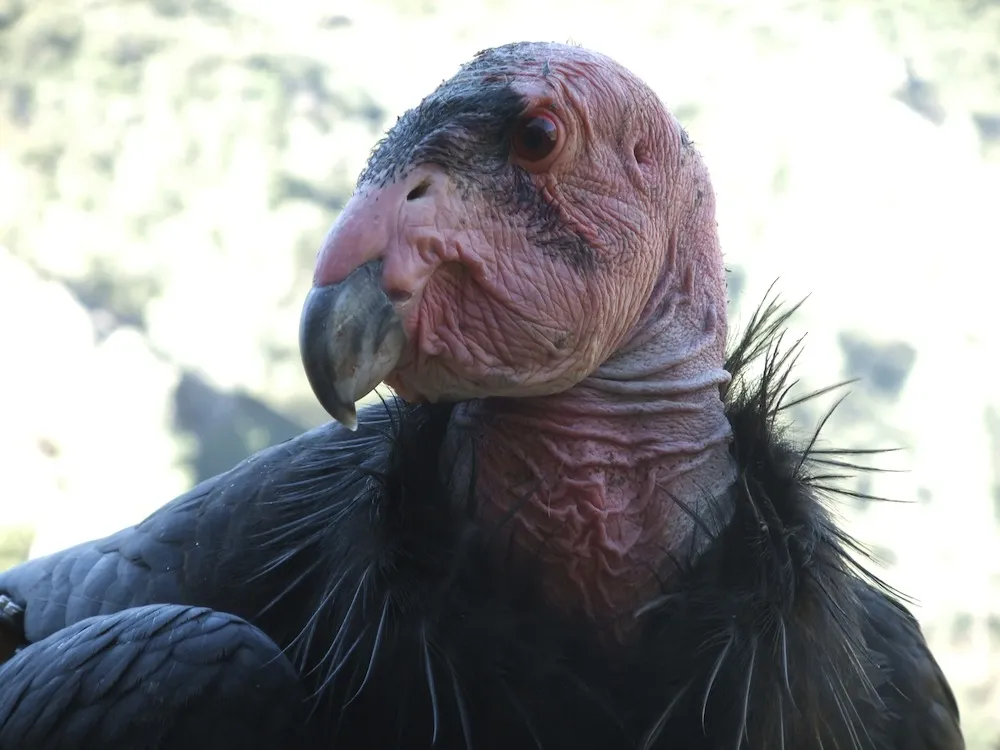
Critically endangered condors that live near the Grand Canyon are being poisoned by lead used in ammunition, according to the Center for Biological Diversity, an environmental group. So far this year, seven out of the 80 California condors that live in the area have died, and three of these deaths have been "definitively linked to lead poisoning from ingesting spent lead ammunition fragments in carrion, and lead poisoning is suspected in the other four deaths," according to the group.
These raptors, the largest birds in North America, are especially vulnerable to poisoning from ammunition because they feed on dead animals, which have often been shot by hunters using lead bullets and shotgun pellets, studies on the birds have shown. The lead can then concentrate in their bodies, to devastating effect.
"Lead is dangerous to people and wildlife, even at very low levels, which is why it is critical that we take mandatory actions to remove it from ammunition and require less toxic alternatives," said Sandy Bahr, with the Sierra Club, in the statement.

