













13-year-old dies of rare 'brain-eating' amoeba after swimming in Florida lake
The case marks the second death from the devastating infection in Florida this summer.

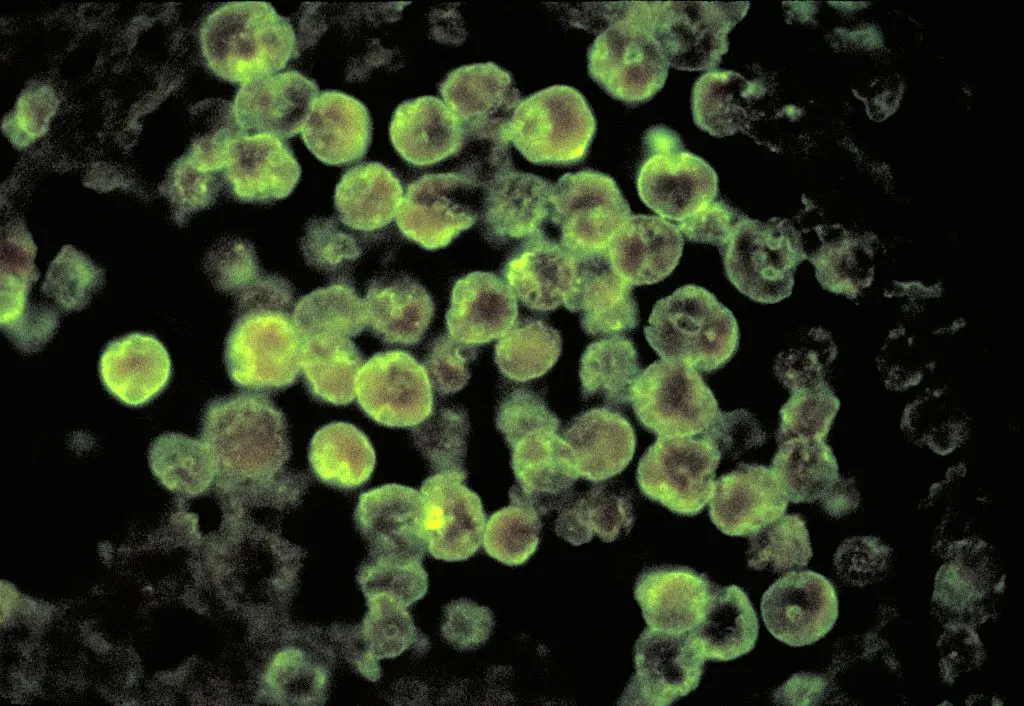
A teen has died from a rare "brain-eating" amoeba infection after a family vacation in Florida, according to news reports.
The 13-year-old, Tanner Wall, and his family had recently stayed at a campground in North Florida, which has a water park and lake where the boy went swimming, according to local news outlet News4Jax. Several days after swimming in the lake, Tanner developed symptoms, including nausea, vomiting, headaches and a stiff neck, News4Jax reported.
Tanner was initially diagnosed with strep throat, but his parents suspected Tanner could have a more serious condition, and so they drove him to UF Health in Gainesville, Florida, for a second opinion.
There, the teen was placed on a ventilator, and doctors made a devastating discovery.
"They said, 'We're sorry to tell you this, but your son … has a parasitic amoeba, and there is no cure,'" Tanner's father, Travis Wall, told News4Jax. Tanner died from an infection with Naegleria fowleri on Aug. 2, News4Jax reported.
Related: 5 Key Facts About Brain-Eating Amoebas
Naegleria fowleri is a single-celled organism that's naturally found in warm freshwater, such as lakes and rivers, according to the Centers for Disease Control and Prevention (CDC). In the U.S., most infections occur in southern states, particularly during the summer months after it has been hot for prolonged periods, which raises the water temperature, Live Science previously reported.
Get the world’s most fascinating discoveries delivered straight to your inbox.
Swallowing water contaminated with Naegleria fowleri will not cause an infection, but if contaminated water goes up the nose, the organism can enter the brain and destroy brain tissue. Infections are almost universally fatal, with less than a 3% survival rate, according to the CDC. It's unclear exactly why some people are able to survive the condition, but factors that may contribute to survival include early detection of the infection and treatment with an experimental drug called miltefosine, along with other aggressive treatments to reduce brain swelling, Live Science previously reported. (It's important to note that miltefosine is not a proven treatment for the condition, and some patients who received the drug still did not survive.)
However, N. fowleri infections are very rare, with only 34 infections reported in the U.S. over a recent 10-year period, even though millions of people go swimming each year, the CDC says. But infections may be becoming more common as water temperatures rise due to climate change, according to Business Insider.
Related
Tanner's death is the second reported in Florida this summer from the same infection. The first death was announced by the Florida Department of Health on July 3, although few details were released about the case.
As a precaution, the Florida Department of Health recommends that people avoid swimming in warm freshwater during periods of high water temperature and low water levels, and that they use nose clips or hold their nose during activities in warm freshwater.
Originally published on Live Science.

Rachael is a Live Science contributor, and was a former channel editor and senior writer for Live Science between 2010 and 2022. She has a master's degree in journalism from New York University's Science, Health and Environmental Reporting Program. She also holds a B.S. in molecular biology and an M.S. in biology from the University of California, San Diego. Her work has appeared in Scienceline, The Washington Post and Scientific American.