
-
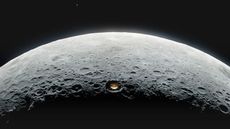 NASA plans to build a giant radio telescope on the 'dark side' of the moon. Here's why.
A NASA-funded plan to build a large radio telescope on the moon's far side is nearing final approval and could become a reality by the 2030s, researchers say. The ambitious project will help safeguard astronomy from satellite "megaconstellations" — and help scientists unravel more of the radio spectrum.
2 Commentsspace-exploration -
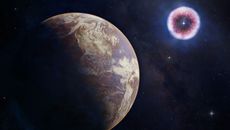 Did a supernova 6 million years ago kickstart evolution in Africa? New study offers a clue
A curious connection between an ancient supernova and virus diversification in one of Earth's biggest lakes means that crazy cosmic events may have had more influence on our planet than we thought.
astronomy -
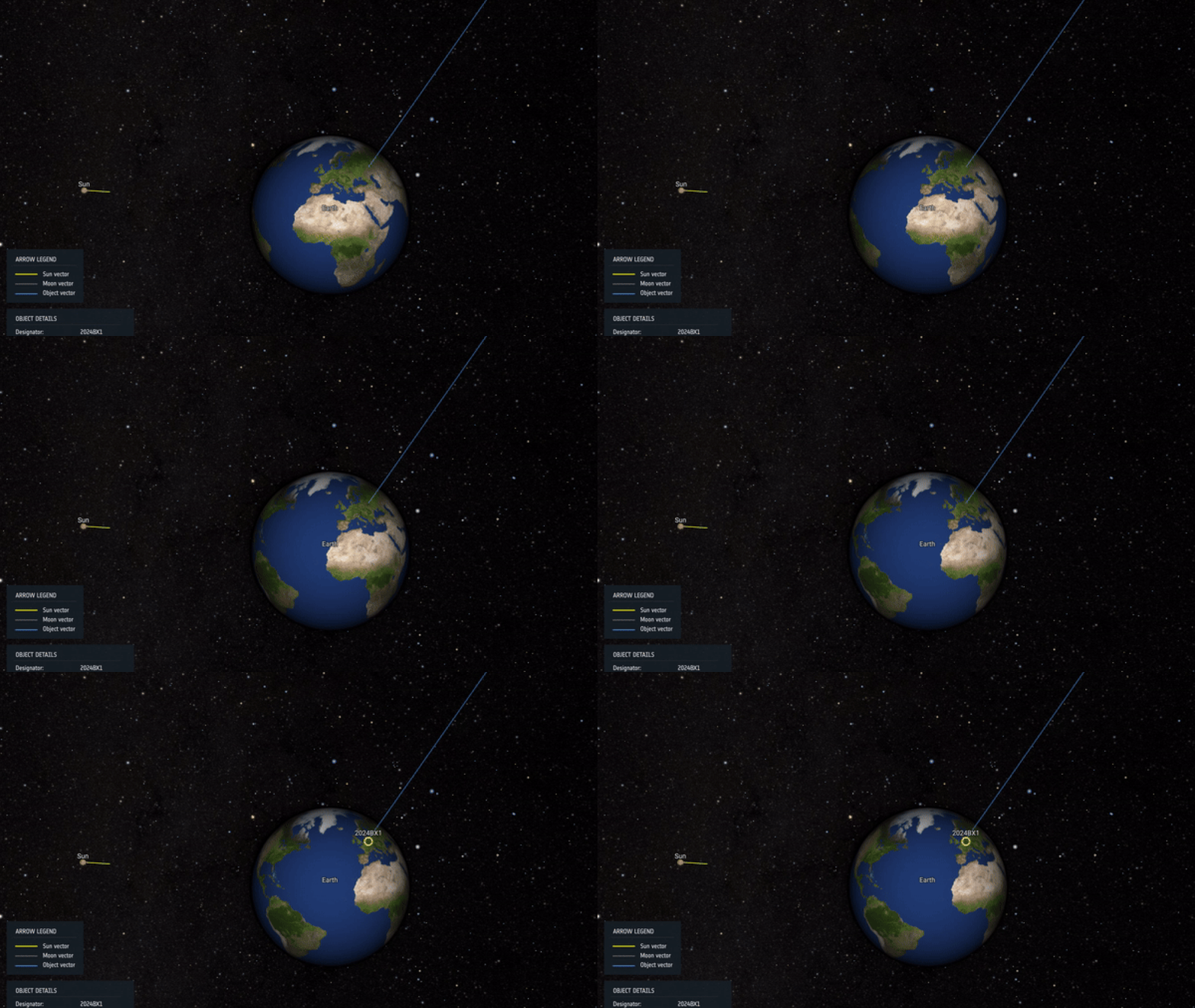 Asteroid that exploded over Berlin was fastest-spinning space rock ever recorded
Scientists have calculated the rotational speed of asteroid 2024 BX1, which exploded over Berlin earlier this year, by letting it trail in images of the sky. It turns out, 2024 BX1 was spinning faster than any other near-Earth object ever seen.
asteroids -
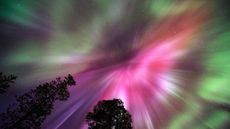 Earth's thermosphere reaches highest temperature in 20 years after being bombarded by solar storms
The atmospheric temperature spike, which was caused by geomagnetic storms triggered by the sun, suggests the "solar maximum" is fast approaching.
the-sun -
 Why do stars twinkle?
Stars appear to twinkle because the light from these distant objects passes through wobbly air in the atmosphere.
astronomy -
 Fridge-size asteroid detected just 2 hours before it slammed into Earth
It is only the fifth time that an asteroid has been detected prior to hitting Earth.
asteroids -
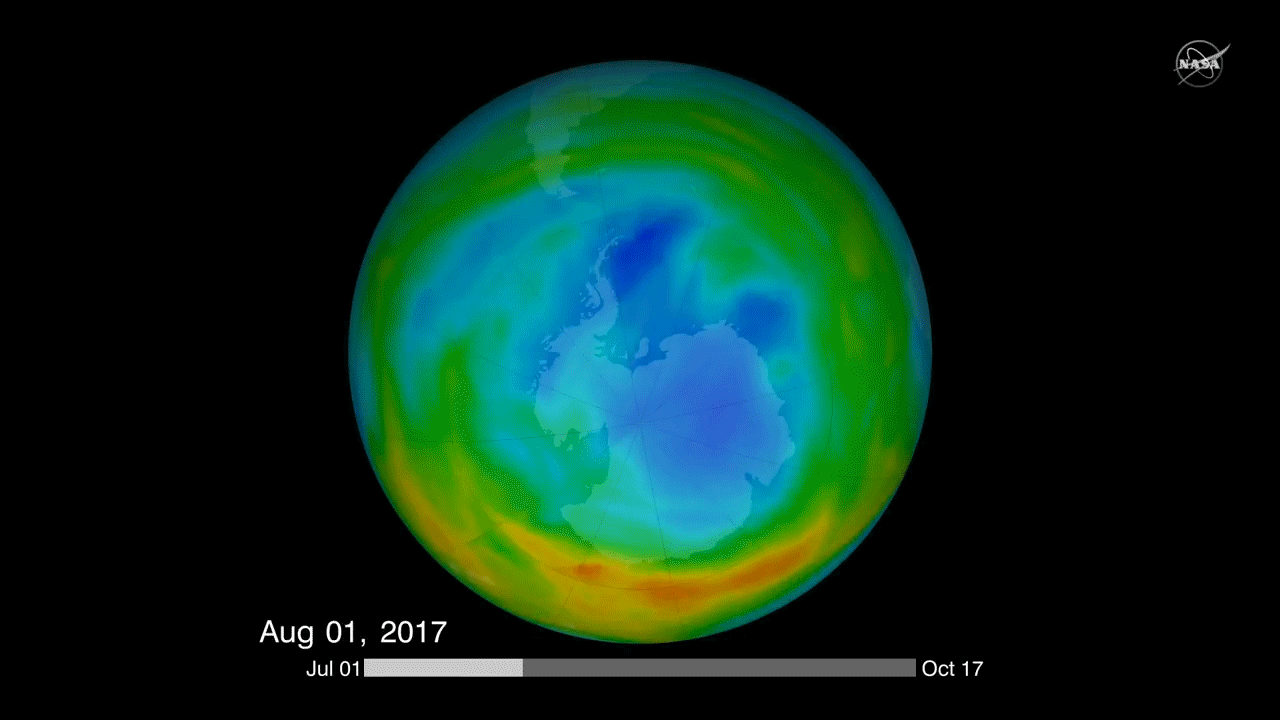 The Hole in Earth's Ozone Layer Is Healing
Efforts to heal the hole in Earth's ozone layer over Antarctica appear to be paying off, according to a first-of-its-kind study that looked directly at ozone-destroying chemicals in the atmosphere.
planet-earth -
 Missing Electrons in the Atmosphere Possibly Found
The mysterious disappearance of electrons in the atmosphere could be caused by meteors burning up in the sky, new research suggests.
planet-earth -
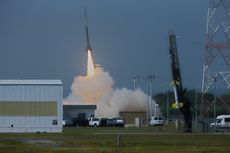 Rockets' Red Glare! NASA Marks Fourth of July with Double Launchspace-exploration


