


-
 Tomatoes randomly mated with another plant 9 million years ago. The result? Potatoes.
Researchers say they have finally uncovered the mysterious origins of one of our favorite carbs: the humble potato.
9 Commentsevolution -
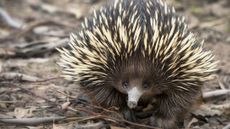 In rare evolutionary event, weird platypus cousin evolved from living in water to living on land
We may have gotten the evolutionary origins of the echidna backward, as new research suggests its ancestors probably lived in the water, not on land.
3 Commentsevolution -
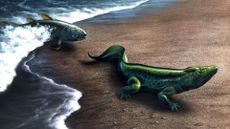 Evolution itself can evolve, new study argues
A new computer model suggests that the process of evolution can get better at evolving in the face of environmental change.
24 Commentsevolution -
 Our outer ears may have come from ancient fish gills, scientists discover
Scientists have traced the evolutionary origin of humans' outer ears to the gills of ancient fish through a series of gene-editing experiments.
evolution -
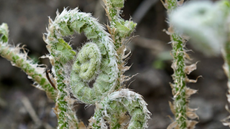 Ferns can evolve 'backward,' scientists discover
Evolution is often depicted as a steady forward march from simple to complex forms. But new research shows that certain ferns can evolve ‘backward.’
evolution -
 Sunlight shapes our evolution — and may explain why some people have curly hair
Light helps explains the evolution of our skin color, why some of us have curly hair, and the size of our eyes. And light still shapes us today.
evolution -
 Evolution quiz: Can you naturally select the correct answers?
How much do you know about evolution? Take this quiz to find out.
evolution -
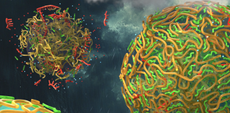 Raindrops may have helped kick-start life on the planet
The earliest cells likely didn’t have membranes to separate and protect their components and chemistry away from a harsh surrounding environment. But they may have made do with rain.
evolution -
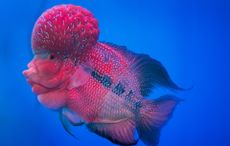 Which animals are evolving fastest?
The "fastest evolving vertebrate" title is hotly contested, but here are a few contenders.
evolution


